
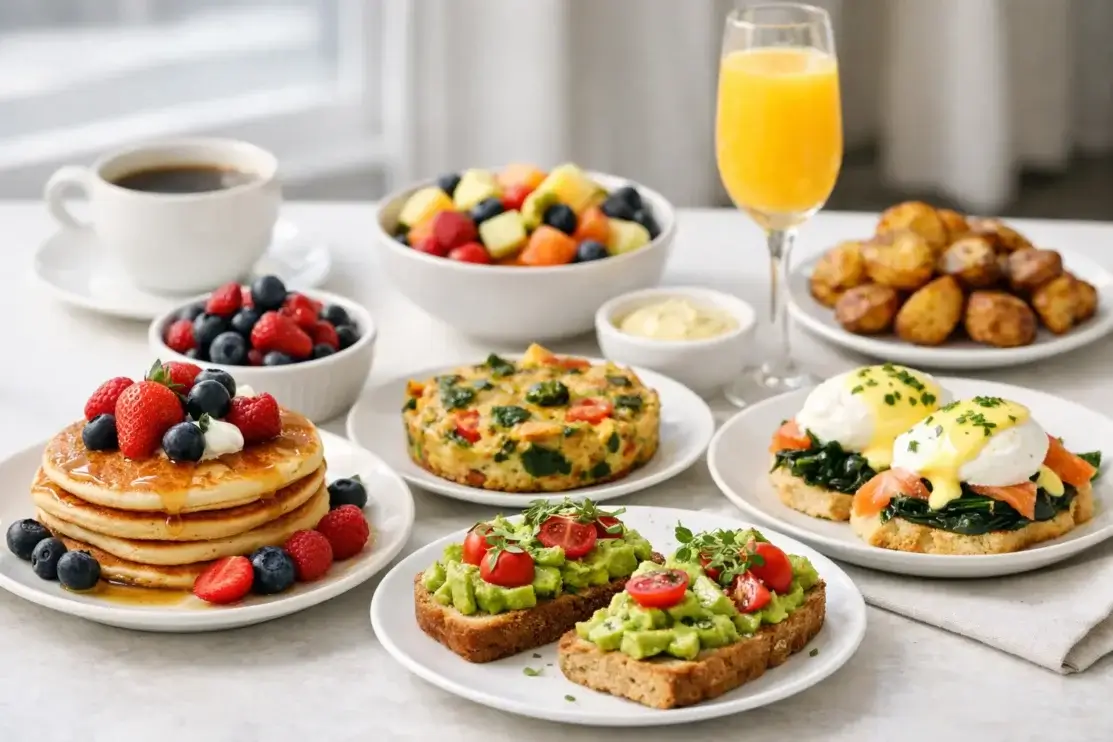
A good brunch should let everyone relax when they sit down to eat. That is why a thoughtful gluten free brunch menu example matters so much. It is not only about removing wheat. It is about building a table that feels abundant, balanced, and genuinely welcoming for guests who care about clean ingredients, food sensitivities, and flavor that still feels special.
Brunch can get tricky fast because so many familiar dishes lean on toast, pastries, pancakes, and baked casseroles. When gluten is off the table, some hosts overcorrect and serve a spread that feels limited or overly technical. The better approach is simpler. Start with naturally gluten-free foods, lean into fresh Mediterranean-style ingredients, and build a menu with contrast – something savory, something bright, something sweet, and something substantial enough to carry the meal.
A gluten free brunch menu example for real life
If you are planning brunch for family, friends, or a small celebration, this menu keeps things generous without becoming complicated. It works especially well for mixed groups because it gives gluten-free eaters confidence while still feeling familiar to everyone else.
Start with a mezze-style first course of hummus, labneh or a dairy-free dip, cucumber, tomato, olives, and warm gluten-free flatbread or seeded crackers. This gives guests something to enjoy right away and sets a relaxed tone. From there, serve a main spread built around a vegetable frittata with herbs, roasted potatoes with garlic and parsley, a chopped salad with lemon and olive oil, and shakshuka or baked eggs in tomato and pepper sauce.
For something sweet, offer a platter of fresh fruit with mint and a small gluten-free pastry or almond flour tea cake. Finish with coffee, mint tea, and a citrus-forward mocktail or fresh juice. The menu feels complete because each piece plays a role. The eggs bring protein, the potatoes and flatbread add comfort, the vegetables keep it lively, and the sweet finish makes it feel like brunch rather than breakfast.
Why this gluten free brunch menu example feels satisfying
The biggest mistake in gluten-free brunch planning is focusing only on what has been removed. Guests do not remember that a dish was missing flour if the table feels colorful, filling, and cared for. They remember whether they had enough to choose from and whether the meal felt cohesive.
A strong brunch menu usually needs three things. First, it needs a centerpiece, such as shakshuka, a frittata, or a grain-free breakfast bake. Second, it needs supporting dishes that add texture and freshness, like crisp salad, roasted vegetables, or creamy dips. Third, it needs one element that feels a little indulgent, whether that is a pastry, a jam-filled cookie, or a tender cake made with almond flour.
This balance matters even more for gluten-free dining because many guests are used to being offered substitutions instead of complete dishes. A dry gluten-free muffin next to everyone else’s full brunch plate does not feel inclusive. A table built from scratch with intention does.
Building the menu course by course
A brunch spread does not need formal courses, but it helps to think that way while planning. When each part has a purpose, the meal flows better and shopping becomes easier.
Start with naturally gluten-free foundations
Eggs, vegetables, yogurt, herbs, olive oil, fruit, legumes, and potatoes are all dependable places to begin. These ingredients already belong at brunch, and they do not need much adjustment. Mediterranean cooking is especially helpful here because so many dishes naturally center produce, pulses, and simple proteins instead of breaded or flour-heavy preparations.
That does not mean every dish is automatically safe, of course. Spice blends, sauces, and prepared ingredients can still contain hidden gluten. If you are cooking for someone with celiac disease or a significant sensitivity, ingredient labels and cross-contact matter just as much as the recipe itself.
Choose one hearty main
Your main dish should do the heavy lifting. Shakshuka is a beautiful option because it is bold, comforting, and easy to scale for a group. A frittata works well too, especially if you want something you can partially prep ahead. Fill it with spinach, caramelized onions, herbs, and maybe roasted red peppers or feta if dairy works for your guests.
If your group includes both vegetarians and meat eaters, vegetable-based mains are usually the easiest choice. You can always add sides like turkey sausage or smoked salmon if needed. This keeps the core menu inclusive without requiring multiple separate entrees.
Add a starch that feels generous
People often miss bread at brunch, so you want another element that brings warmth and comfort. Crispy roasted potatoes are reliable and crowd-pleasing. Gluten-free flatbread can also be wonderful, especially served with olive oil, za’atar-style herbs, or dips.
There is a trade-off here. Potatoes are easier for large groups and less risky from a gluten-safety standpoint if your kitchen is not used for baking. Gluten-free baked goods can be memorable, but they require more attention to texture and ingredient handling. If you are hosting casually, potatoes may be the more forgiving option.
Keep freshness on the table
A brunch spread feels lighter and more thoughtful when there is something bright to cut through richer dishes. A cucumber and tomato salad with lemon, herbs, and good olive oil does that beautifully. So does a citrus salad with mint, or a bowl of chopped greens with radish and tahini dressing.
This part is easy to overlook, but it changes the experience. Without something fresh, brunch can become heavy very quickly. With it, the meal feels more balanced and easier to enjoy over a longer, slower gathering.
Offer one sweet item, not a whole dessert bar
A single well-made sweet is often enough. Almond flour cake, tahini blondies made with gluten-free ingredients, flourless citrus cake, or a gluten-free coffee cake can all work. Fresh fruit helps here too, especially if the rest of the menu leans savory.
You do not need five pastries to make brunch feel special. In fact, too many sweets can crowd the table and create stress if you are trying to keep ingredients allergy-friendly. One beautiful option is usually more elegant and more manageable.
Hosting tips that make gluten-free guests feel safe
The menu matters, but so does the way it is served. Gluten-free guests often scan the table with a little caution, especially at group meals where serving utensils get mixed and labels are unclear. A few thoughtful choices can make the whole experience more comfortable.
If possible, keep the entire brunch gluten free rather than mixing safe dishes with conventional pastries or toast. This removes confusion and lowers the chance of cross-contact. If that is not realistic, separate gluten-containing items clearly and serve them away from the main spread.
Use dedicated utensils for each dish. Avoid placing regular bread near shared dips. If you are buying prepared items, verify that they were made in a gluten-free facility or kitchen if your guests need that extra level of protection. There is a big difference between someone who prefers to avoid gluten and someone who becomes ill from trace exposure. Asking ahead is a simple act of care.
This is one reason fully gluten-free kitchens feel so reassuring. Guests can enjoy the meal instead of negotiating every bite. That peace of mind is part of hospitality too.
A Mediterranean approach makes brunch easier
Mediterranean and Levantine-inspired cooking naturally lends itself to gluten-free brunch because it is rooted in ingredients with clarity. Herbs, chickpeas, vegetables, olive oil, yogurt, sesame, eggs, and fresh citrus all bring flavor without needing heavy batters or complicated substitutions.
It also creates a kind of warmth that suits brunch especially well. A table with shakshuka, dips, chopped salad, roasted potatoes, fruit, and a tender gluten-free pastry feels abundant in a way that store-bought substitutes rarely do. The meal feels made, not merely adjusted.
For health-conscious guests, this style of menu also supports different dietary needs at once. You can build a spread that is gluten free, vegetarian-friendly, and full of organic whole-food ingredients without making it feel like a compromise. At Levant Los Angeles, that kind of inclusivity is part of the joy of feeding people well.
When to keep it simple and when to dress it up
Not every brunch needs the same level of effort. For a casual Sunday with friends, one egg dish, one potato, one salad, fruit, and coffee may be enough. For a birthday brunch or baby shower, you may want a few more visual moments, such as a pastry platter, a signature drink, or a custom cake that fits the same dietary standards.
It depends on the purpose of the gathering. If people are coming mainly to catch up, ease matters more than variety. If the meal is part of a celebration, a little more range can make it feel festive. The key is to keep the menu coherent. Every dish should belong on the same table.
A good gluten-free brunch does not ask anyone to settle. It simply brings people together around food that is fresh, comforting, and made with intention. When the menu is built that way, guests notice something better than substitution. They notice care.