
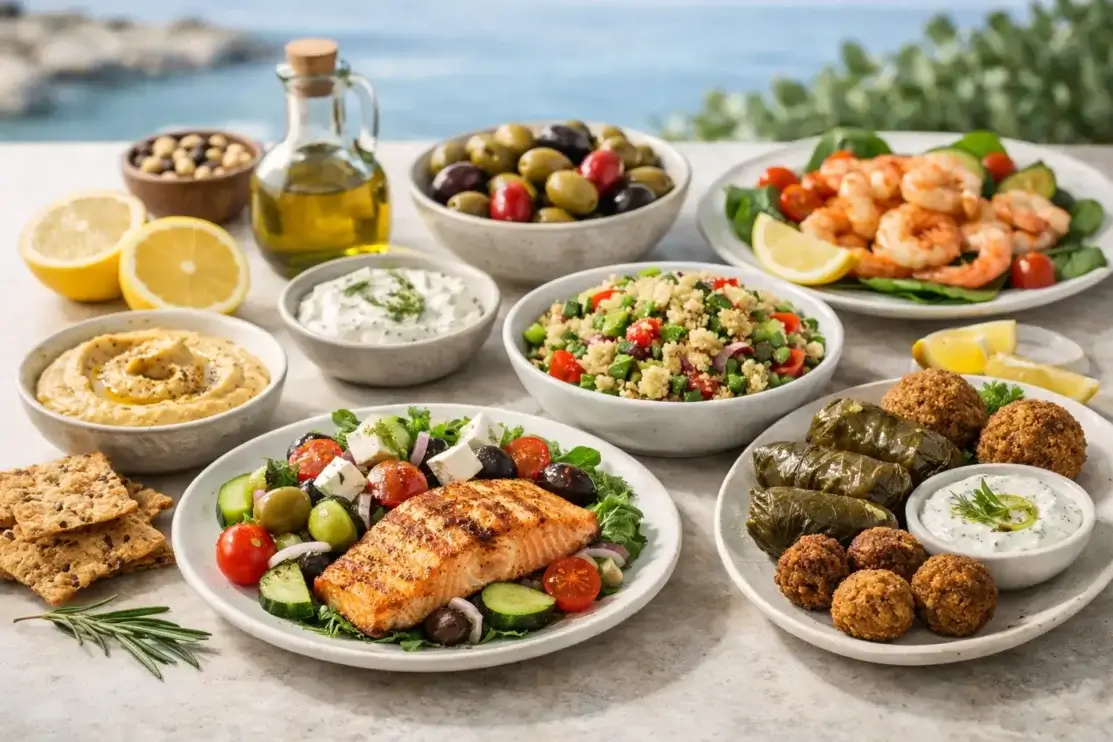
The hardest part of learning how to eat Mediterranean gluten free is not giving up bread. It is figuring out what still feels easy, satisfying, and culturally true once wheat is off the table. The good news is that Mediterranean food, especially Levantine cooking, already offers a strong foundation of vegetables, legumes, olive oil, herbs, yogurt, grilled proteins, rice, nuts, and seeds. With a few thoughtful adjustments, it can remain one of the most flavorful and nourishing ways to eat.
What matters most is shifting your focus away from what you are removing and toward what Mediterranean food does exceptionally well. This style of eating has always been rooted in abundance – vibrant produce, slow-cooked beans, good olive oil, fresh lemon, tahini, and meals built around sharing. A gluten-free version should still feel generous, comforting, and full of life.
What how to eat Mediterranean gluten free really means
If you picture Mediterranean food as endless pita, semolina pastries, and bulgur, gluten free eating may sound limiting. But that is only one slice of the table. At its core, Mediterranean eating is a pattern, not a single ingredient. It leans on whole foods, seasonal cooking, modest portions of protein, plenty of plants, and meals that satisfy without feeling heavy.
Eating this way gluten free means keeping those values intact while replacing wheat-based staples with naturally gluten-free options. Rice can step in for bulgur in many meals. Chickpeas and lentils still bring texture and staying power. Potatoes, cauliflower, and roasted eggplant can anchor a plate just as beautifully as grains. Gluten-free breads and pastries can have a place too, but they work best when they support the meal rather than define it.
There is also an important difference between naturally gluten-free Mediterranean food and food that is merely made without gluten ingredients. If you are sensitive to cross-contact or have celiac disease, preparation matters just as much as the recipe. Shared fryers, flour-heavy kitchens, and sauces with hidden thickeners can quickly turn a safe-looking meal into a stressful one.
Start with the foods that are naturally on your side
The easiest way to eat Mediterranean gluten free is to build meals around ingredients that never needed gluten to begin with. Think cucumber and tomato salads with olive oil and lemon, hummus, baba ghanoush, stuffed grape leaves made without wheat fillers, lentil soup, grilled salmon, roast chicken, rice pilaf made with gluten-free stock, labneh, olives, and fresh herbs.
This approach keeps the food grounded in real tradition rather than turning every meal into a substitution project. It also tends to be more satisfying. When your plate starts with vegetables, legumes, quality fats, and well-seasoned proteins, you are far less likely to feel like you are missing something.
For many people, breakfast is the first place this clicks. A Mediterranean gluten-free breakfast can be yogurt with fruit, nuts, and honey, or eggs with herbs, tomatoes, and roasted potatoes. Lunch might be a grain-free mezze plate with dips, chopped salad, and grilled vegetables. Dinner can be fish or chicken with rice, greens, and a tahini sauce. None of that feels restrictive. It simply feels balanced.
The swaps that work and the ones that do not
Some substitutions are helpful. Others leave you with a meal that feels like a compromise.
Rice is one of the most dependable swaps in Mediterranean cooking. It carries spices well, pairs naturally with beans and vegetables, and works in stuffed vegetables, bowls, and plated meals. Gluten-free oats can also be useful in certain recipes, though they need to be certified gluten free if you are highly sensitive. Corn, potatoes, and polenta can fit too, depending on the dish.
Bulgur, couscous, standard pita, and anything made with semolina are the more obvious items to avoid. Less obvious are marinades with soy sauce, packaged spice blends with fillers, fried items coated in flour, and desserts made with phyllo or wheat starch.
As for gluten-free replacement breads, the trade-off is texture. Some are excellent warmed and served with dips. Others are dry, gummy, or overly processed. If clean eating matters to you, read labels closely. A gluten-free product can still be full of additives that do not align with a health-forward Mediterranean lifestyle. The best option is often food prepared from scratch with simple ingredients and clear sourcing.
How to build a balanced Mediterranean gluten-free plate
A satisfying plate usually has four elements: produce, protein, healthy fat, and a smart starch if you want one. That balance helps keep energy steady and makes meals feel complete.
Start with vegetables, not as a side note but as the center of the plate. That might look like a chopped salad, roasted cauliflower, braised greens, or grilled zucchini. Add protein according to your needs – chickpeas, lentils, eggs, yogurt, chicken, or fish all fit naturally within Mediterranean eating. Then bring in healthy fat through olive oil, tahini, olives, avocado, nuts, or seeds.
If you want a starch, choose one that adds comfort without crowding the meal. Rice, potatoes, or a well-made gluten-free flatbread can all work. The right choice depends on your goals. If you want something lighter, lean into extra vegetables and legumes. If you need more staying power for a long day, rice or potatoes may make more sense.
This is also where flavor matters. Mediterranean food should never taste like a dietary workaround. Lemon, garlic, parsley, mint, cumin, coriander, sesame, sumac, and good olive oil do a lot of work. When seasoning is handled with care, a gluten-free meal still feels rich and memorable.
Eating out without the usual stress
Restaurants are often where gluten-free Mediterranean eating gets complicated. A dish may seem safe on paper but run into problems in the kitchen. Pita warmed on the same surface, falafel fried in shared oil, soups thickened without notice, or desserts dusted in flour can all create risk.
The most reassuring restaurants are the ones that make dietary standards part of their identity rather than an afterthought. A kitchen that is intentionally gluten free, transparent about ingredients, and used to serving guests with sensitivities offers a very different experience from one that is trying to adjust a few menu items on the fly.
When you eat out, ask direct questions in a calm, simple way. Is the fryer shared? Is the rice prepared with any wheat-based ingredients? Does the sauce contain flour or soy sauce? Is cross-contact controlled in the kitchen? A thoughtful team will answer clearly. If the answers feel vague, trust that instinct.
For Los Angeles diners, this matters even more because eating out is often social. You want to enjoy brunch, dinner, or a family meal without turning the table into a medical briefing. A place like Levant Los Angeles makes that easier by building its menu around gluten-free, soy-free, organic, non-GMO, and allergy-friendly standards from the start. That kind of care changes the whole experience.
A Mediterranean gluten-free pantry that makes daily life easier
Home cooking becomes much simpler when your pantry supports the way you want to eat. Keep extra virgin olive oil, tahini, canned chickpeas, dry lentils, rice, gluten-free spices, nuts, seeds, and a few good staples like tomatoes, garlic, onions, and lemons on hand. Add yogurt if you eat dairy, and stock fresh herbs when you can.
With those basics, meals come together quickly. A bowl of rice with lentils and caramelized onions. A cucumber tomato salad with chickpeas and feta. Roasted vegetables with tahini and herbs. Soup with a side of labneh and olives. The point is not perfection. It is having enough real food around that gluten-free eating stays practical.
If you rely heavily on packaged gluten-free foods, Mediterranean eating can start to lose its simplicity. There is nothing wrong with convenience when you need it, but the healthiest version of this lifestyle usually comes from ingredients that look like themselves.
The part people often miss
Learning how to eat Mediterranean gluten free is not about chasing a perfect menu. It is about creating meals you can trust and enjoy often. Some days that means a beautiful, from-scratch dinner. Some days it means hummus, vegetables, rice, and whatever protein you have in the fridge.
The real goal is ease with integrity. Food should still feel welcoming. It should still carry memory, comfort, and pleasure. And when you choose ingredients with care, gluten free does not have to narrow Mediterranean eating at all – it can sharpen your attention to what made it nourishing in the first place.