
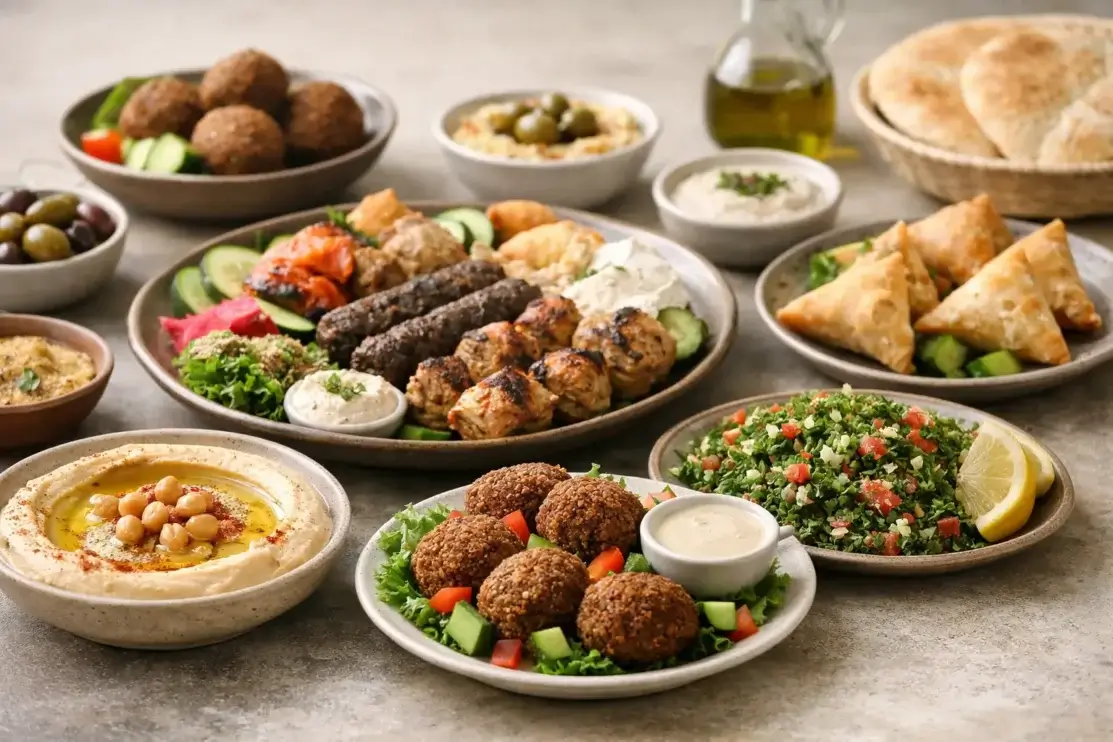
You can learn a lot about a cuisine by how it welcomes people to the table. A good guide to Levantine cuisine starts there – with generosity, shared plates, bright herbs, warm bread, and food that is meant to nourish as much as satisfy. This is a cooking tradition shaped by the Eastern Mediterranean, especially Lebanon, Syria, Jordan, and Palestine, where meals often balance freshness, comfort, and deep family memory in a single spread.
For many people in Los Angeles, Levantine food feels familiar the first time they try it. The flavors are vivid but not heavy-handed. Lemon, olive oil, tahini, parsley, mint, chickpeas, lentils, cucumbers, tomatoes, garlic, and warming spices all show up often, but in ways that feel clean and layered rather than overwhelming. That balance is a big part of why the cuisine speaks so naturally to diners who care about wellness, ingredient quality, and meals that leave you feeling good afterward.
What makes this a true guide to Levantine cuisine?
The most useful way to understand Levantine cuisine is to think in terms of rhythm rather than just recipes. It is not only a list of famous dishes. It is the habit of building flavor from pantry staples, respecting seasonality, and bringing together many small elements that each do their part. A plate of hummus is richer because of good olive oil. A salad becomes memorable because the herbs are fresh and the lemon is sharp. A pastry feels comforting because the dough, filling, and spice are all handled with care.
That is also why Levantine food can vary from home to home. One family may make mujadara with a softer texture and deeply caramelized onions, while another keeps it lighter and more distinct. One cook leans heavily on mint, another on sumac. These differences are not contradictions. They are part of the cuisine’s living character.
The core flavors of Levantine cooking
At its heart, Levantine food is generous with plant-based ingredients and precise with seasoning. Acid matters. Herbs matter. Texture matters. Creamy, crunchy, fresh, smoky, and tangy often appear in the same meal.
Olive oil is one of the foundations. It adds body, fruitiness, and depth, whether it is spooned over hummus, folded into a dressing, or used to finish vegetables. Lemon brings brightness and lift. Tahini adds richness with a slight bitterness that keeps things balanced. Garlic gives many dishes their backbone, while spices like cumin, cinnamon, allspice, coriander, and sumac add warmth and complexity without making everything taste spicy.
Fresh herbs are just as important as spices. Parsley, mint, and dill can completely change the feel of a dish. A grain salad with chopped herbs tastes alive. A yogurt sauce with mint feels cooling and restorative. Even simple cucumbers and tomatoes become something more when treated with enough herbs, citrus, and good salt.
The dishes most people meet first
If you are new to the cuisine, the first dishes you encounter are often mezze – small plates meant for sharing. Hummus, baba ghanoush, labneh, falafel, stuffed grape leaves, and chopped salads are common entry points because they introduce the cuisine’s essential ingredients in a very approachable way.
Hummus should taste like more than chickpeas. The best versions are silky, earthy, nutty, and bright, with tahini and lemon in real balance. Baba ghanoush offers a smokier path, using eggplant to create depth and softness. Labneh, a strained yogurt spread, brings tang and richness and often appears with olive oil and herbs.
Falafel is another dish people know, though not every falafel is worth remembering. When made well, it is crisp outside, tender inside, herb-forward, and never dry. Stuffed grape leaves can be bright and lemony or more savory depending on the filling. Then there is tabbouleh, which in its best form is not a grain salad with a little parsley. It is a parsley salad supported by bulgur, tomato, lemon, and olive oil.
Beyond mezze: the comfort dishes
A deeper guide to Levantine cuisine has to include the dishes that feel like home. Mujadara, made with lentils, rice, and onions, is one of the clearest examples of how simple ingredients can become deeply satisfying. The sweetness of caramelized onions against the earthiness of lentils is humble and complete.
There are also baked dishes, stews, rice preparations, and savory pies that show the cuisine’s range. Some are vegetable-centered, some feature meat, and many rely on yogurt, legumes, or grains for substance. The details vary across regions and households, but the common thread is care. These are foods built patiently, often passed down, and rarely rushed.
Pastries matter too. Levantine baking is not only about sweetness. There are savory hand pies, sesame-covered breads, date-filled cookies, and semolina-based cakes that carry memory in every bite. A pastry can be celebratory, but it can also be everyday hospitality – something offered with coffee, conversation, and real warmth.
Why Levantine cuisine works so well for health-conscious diners
One reason this cuisine continues to resonate with modern diners is that many of its strengths were always there. It has long relied on vegetables, legumes, herbs, olive oil, nuts, seeds, and yogurt. That means many dishes feel naturally aligned with the way people want to eat now – more plant-forward, less processed, and more connected to recognizable ingredients.
Of course, healthfulness depends on preparation. Not every dish is light, and not every restaurant approaches ingredients with the same standards. Fried foods, rich desserts, and refined grains all have their place. But at its best, Levantine food offers a kind of balance that feels sustainable. You can have a meal that is full of flavor and comfort without feeling weighed down.
This is especially meaningful for diners managing gluten sensitivities, food allergies, or specific dietary preferences. Many Levantine dishes are naturally vegetarian, and many can be adapted for vegan or gluten-free eating. That said, it is never safe to assume. Traditional recipes may include wheat, dairy, sesame, or hidden cross-contact risks depending on the kitchen. For anyone with dietary restrictions, ingredient transparency matters just as much as flavor.
That is part of what makes a thoughtful Levantine restaurant stand out. When a kitchen commits to scratch cooking, clear sourcing, and inclusive menu design, the cuisine becomes even more welcoming. In a city like Los Angeles, where diners often care deeply about organic ingredients, allergy awareness, and clean eating, that level of care is not a bonus. It is trust.
How to order Levantine food with confidence
If you are ordering for the first time, the best approach is to build contrast. Choose one creamy dish, one fresh dish, one crispy or baked item, and one heartier plate. That gives you a better sense of the cuisine than ordering four versions of the same texture.
A very approachable meal might include hummus, a chopped salad, falafel, and a lentil or rice-based dish. If you eat dairy, labneh can add a cooling element. If you love smoky flavors, baba ghanoush is usually a good pick. If you are feeding a table, ordering shared plates creates the experience the cuisine is known for.
It also helps to ask how things are made. Is the falafel cooked to order? Is the dressing lemon-forward or tahini-based? Is a pastry made with nuts, dairy, or gluten? Good hospitality includes those answers, and they can make the meal feel much more personal and safe.
A guide to Levantine cuisine at home
Cooking Levantine food at home does not require a massive pantry, but it does reward good basics. Start with quality olive oil, lemons, garlic, tahini, chickpeas, lentils, rice, fresh parsley, mint, cumin, and sumac if you can find it. With those ingredients, you can already make a surprising range of meals.
The bigger lesson is restraint. Levantine cooking is often less about piling on ingredients and more about treating each one properly. Taste the lemon before adding more. Salt in stages. Let herbs stay fresh instead of cooking them into dullness. Give onions enough time to turn sweet. If a dish seems simple, that usually means the details matter more.
For home cooks with dietary restrictions, this cuisine can be especially rewarding because many recipes are flexible. You can build a generous meal around lentils, vegetables, herbs, and sauces without feeling like you are making substitutions for the sake of it. At places like Levant Los Angeles, that same spirit shows how authentic flavor and dietary inclusivity can belong on the same plate.
Levantine cuisine endures because it understands something many people are still trying to find in their food: nourishment with character. It can be bright, grounding, celebratory, and gentle all at once – the kind of meal that makes you feel cared for long after the table is cleared.