
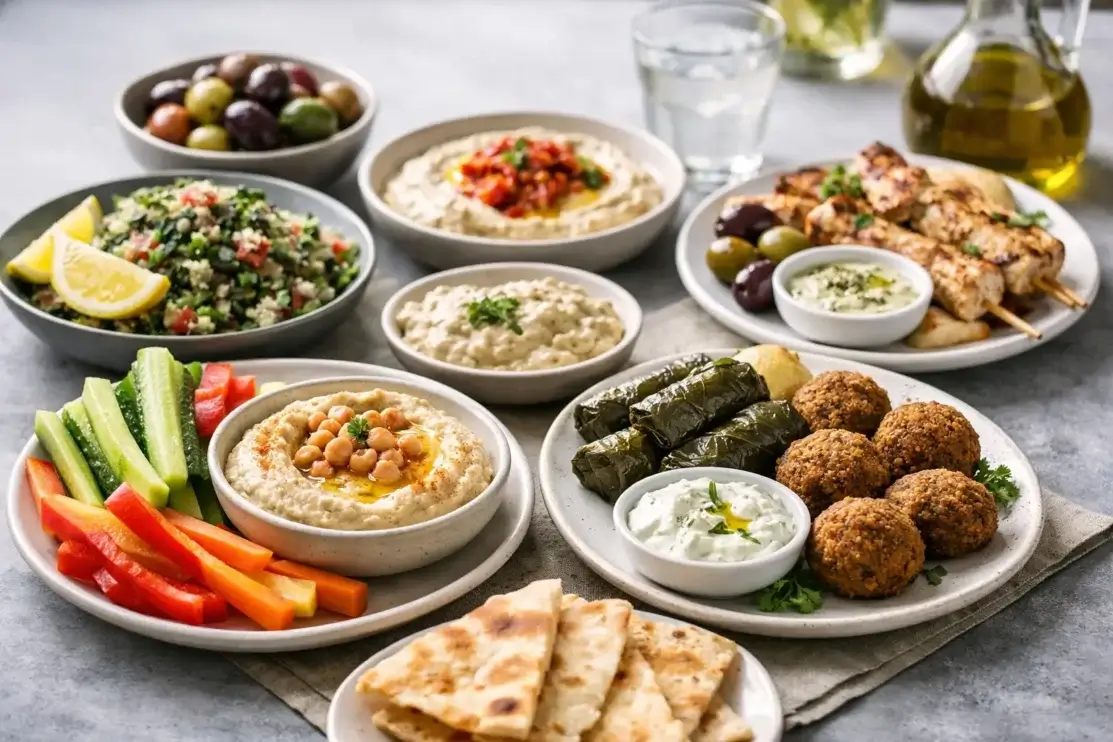
A mezze table should feel generous, relaxed, and easy to share. If you eat gluten free, though, that first glance at the menu can turn into a quiet risk assessment. Knowing how to order gluten free mezze means understanding which dishes are naturally safe, which ones often hide wheat, and how to ask the right questions without turning dinner into a negotiation.
The good news is that mezze can be one of the most satisfying ways to eat gluten free. Many classic Levantine dishes center vegetables, legumes, olive oil, yogurt, herbs, and grilled proteins. The challenge is not the cuisine itself. The challenge is how each restaurant prepares it.
How to order gluten free mezze with more confidence
Start by separating the menu into three groups: naturally gluten free dishes, dishes that may contain gluten depending on the kitchen, and dishes that are usually wheat-based from the start. That one shift makes ordering much simpler.
Naturally gluten free mezze often includes hummus, baba ghanoush, labneh, marinated olives, simple salads, stuffed grape leaves, lentil-based dishes, and grilled vegetables. These sound safe because, traditionally, they often are. But tradition and restaurant reality are not always the same thing. A hummus garnish may include fried pita strips. A salad may be tossed with bulgur. A shared platter may come plated with bread already touching everything.
That is why the first question matters more than the first dish. Instead of asking, “What here is gluten free?” ask, “Which mezze are prepared gluten free from start to finish, including garnishes and plating?” It is a more useful question because it gets beyond ingredients and into handling.
The mezze dishes that deserve a second look
Some of the most common gluten problems in Mediterranean restaurants come from dishes people assume are harmless. Tabbouleh is a big one. Many diners focus on the parsley and tomatoes and forget that bulgur is usually central to the dish. Falafel is another. Some kitchens make it with only chickpeas and herbs, while others add flour for binding or fry it in oil shared with breaded items.
Kibbeh, sambousek, flatbreads, semolina cakes, couscous-based sides, and anything breaded are usually not gluten free. Fried cauliflower can go either way. So can crispy chickpeas, sauces, and spice blends if the kitchen uses anti-caking agents or prepared seasonings. Even lentil soup may contain grains for texture.
This is where a little caution helps. Gluten free dining is not about suspicion for its own sake. It is about understanding that the same dish name can mean different things in different kitchens. If you are sensitive, have celiac disease, or are ordering for a child, that difference matters.
Watch for hidden gluten beyond the obvious bread
Bread is easy to spot. Marinades, dressings, and finishing touches are less obvious. Some tahini sauces include additives. Some yogurt sauces are thickened. Some roasted vegetables are finished with crunchy toppings. Even a harmless-looking dip trio can arrive with pita tucked directly into the same board.
If you are ordering a mixed mezze spread, ask whether the plate can be assembled without bread on the board and with a clean utensil for each item. That small request can prevent a lot of accidental contact.
What to ask when you order
A good restaurant should make dietary questions feel normal, not inconvenient. You do not need a script, but a few clear questions can save you from vague answers.
Start simple: “I need to eat gluten free. Which mezze are safe as prepared?” Then go one step further: “Are any of these fried with breaded items or served with gluten-containing garnishes?” If you need strict avoidance, ask, “Can you prevent cross-contact in prep, plating, and frying?”
These questions work because they are specific. They guide the staff toward the practical details that matter. If someone answers confidently and clearly, that is reassuring. If the answer is hesitant, overly broad, or dismissive, take that as useful information too.
There is also a difference between a restaurant that offers a few gluten free options and one that is built to support gluten free diners. In a mixed kitchen, even well-meaning teams can miss a garnish, a fryer detail, or a shared scoop. In a kitchen designed around dietary safety, the conversation is usually much easier.
If you are ordering for the table
Mezze is communal by nature, and that can make gluten free dining trickier. One basket of pita passed around the table can undo careful ordering if everyone dips directly into shared bowls. If your needs are strict, it is worth setting the tone early.
Ask for gluten free items to be plated separately, or request individual portions for the most sensitive dishes. It may feel formal for a casual meal, but it is often the easiest way to stay relaxed once the food arrives. The point of mezze is enjoyment, not constant vigilance.
How to build a satisfying gluten free mezze spread
The best gluten free mezze order has balance. If you only choose dips and raw vegetables, the table can feel incomplete. Aim for contrast: something creamy, something bright, something warm, something fresh, and something substantial.
A strong spread might include hummus, baba ghanoush, a cucumber and yogurt dish, a chopped salad without bulgur, roasted cauliflower if it is not dusted with flour, grape leaves, and a grilled skewer or another protein if you want the meal to feel more anchored. If gluten free bread or crackers are available, great. If not, crisp vegetables, rice, and protein can carry the meal beautifully.
This matters because gluten free ordering should not feel like a lesser version of the menu. Mediterranean food is generous by nature. When a mezze selection is planned well, it still feels abundant, layered, and deeply comforting.
How to order gluten free mezze for takeout or catering
Takeout changes the equation slightly. You cannot ask follow-up questions once the food is on your table at home, so clarity upfront matters more. Confirm which dishes are gluten free as packed, not just as prepared in-house. Ask whether pita is placed in the same container, whether sauces are labeled, and whether any substitutions are possible.
For catering, be even more direct. Shared platters for parties often increase the chances of mix-ups, especially when guests do not all eat the same way. Request clear labels and separate serving utensils. If you are hosting a gluten free guest of honor, ask for one fully protected platter rather than expecting people to keep things separate once the event starts.
This is where a health-forward restaurant can make a real difference. When ingredient standards and allergy awareness are already part of the culture, ordering for a group feels less like managing risk and more like planning a meal everyone can enjoy.
A quick note on trust
There is a practical side to gluten free dining, and there is an emotional side too. Many people who avoid gluten are used to double-checking everything, explaining themselves, or settling for the safest but least interesting option. A good mezze experience should feel different. It should feel welcoming, informed, and calm.
That is why transparency matters as much as flavor. If a restaurant is fully gluten free, say so clearly. If only certain dishes are safe, explain how they are prepared. If cross-contact cannot be avoided, be honest. Trust is built in those details.
In Los Angeles, where diners often care as much about ingredient integrity as they do about taste, this level of clarity is not extra. It is part of hospitality. Restaurants like Levant Los Angeles have helped raise that standard by showing that Mediterranean food can be deeply traditional, genuinely nourishing, and thoughtfully accessible at the same time.
The next time you sit down to mezze, order with curiosity, not anxiety. Ask how the food is made, notice how the restaurant responds, and choose dishes that let you relax into the meal. When gluten free dining is handled with care, mezze becomes what it was always meant to be – generous food shared with ease.