
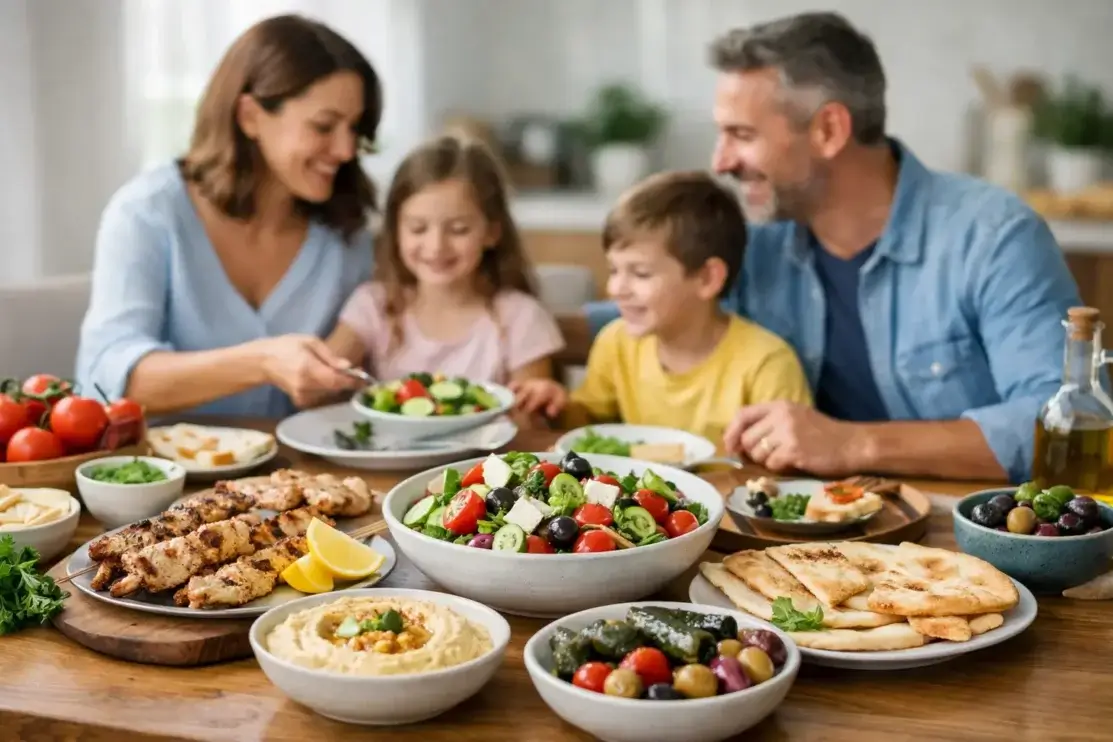
Weeknight dinner gets complicated fast when one person wants comfort, another needs more vegetables, and someone at the table is avoiding gluten or dairy. That is exactly why healthy Mediterranean family meals hold up so well in real life. They are built around ingredients that feel generous and familiar – vegetables, olive oil, herbs, legumes, grains, simple proteins, and bright sauces that make everything taste complete.
What makes this style of cooking especially helpful for families is that it does not rely on heavy processing or one-note flavors. A Mediterranean table naturally leaves room for different appetites, preferences, and dietary needs. With a few thoughtful staples, dinner can feel both nourishing and easy to share.
Why healthy Mediterranean family meals work so well
The real strength of Mediterranean cooking is balance. Meals tend to include fiber-rich vegetables, satisfying fats, plant-forward proteins, and enough texture and acidity to keep the plate interesting. That matters for adults who want to eat well, but it matters just as much for kids and mixed households where everyone comes to dinner with different expectations.
A roasted chicken tray with potatoes, lemon, and oregano can feel comforting without feeling heavy. A lentil soup with a crisp cucumber salad can be light yet filling. A mezze-style spread with dips, fresh vegetables, rice, and grilled skewers gives each person some control over what ends up on the plate. That flexibility is often the difference between a meal that sounds healthy and a meal your family will actually ask for again.
There is also a cultural generosity to Mediterranean food that families respond to. Meals are meant to be shared. Sauces are spooned onto platters. Vegetables are not treated like an obligation on the side. Bread, grains, legumes, and greens all have a place. When dinner feels abundant rather than restrictive, healthy eating becomes much easier to sustain.
What a healthy Mediterranean family meal should include
There is no single formula, but most successful meals follow the same rhythm. Start with a strong plant base, add a satisfying protein, and bring in flavor with olive oil, citrus, garlic, herbs, and spices. The result should feel colorful, layered, and easy to adjust.
A practical plate might include roasted cauliflower, turmeric rice, grilled salmon, and a spoonful of tahini sauce. Another night, it could be chickpea stew with tomatoes and greens, served with a crunchy cabbage salad and olives. If your family likes to build their own plates, set out a few components instead of composing a finished dish. That approach works especially well with eaters who are cautious about mixed foods.
If you are cooking for allergies or sensitivities, this style of eating can be especially supportive. Many traditional Mediterranean dishes already lean naturally dairy-light or plant-based, and they can often be adapted without losing their character. That said, ingredient quality matters. A meal made from scratch with simple, clean ingredients tends to be easier to trust and easier to enjoy.
The pantry that makes weeknights easier
Families do not need an elaborate shopping list to cook this way consistently. The smartest Mediterranean pantry is modest but dependable. Olive oil, garlic, onions, lemons, canned tomatoes, chickpeas, lentils, rice, herbs, and a few warm spices can carry a surprising number of meals.
Fresh items matter too, but they do not have to be fancy. Cucumbers, parsley, greens, eggplant, zucchini, carrots, and cauliflower are all useful because they can move between salads, trays, soups, and grain bowls. For protein, eggs, chicken, fish, and beans each bring something different. It depends on what your family enjoys and how much time you have.
One trade-off to be honest about is prep. Mediterranean cooking can look effortless on the table, but it often asks for some chopping, marinating, or sauce-making. The good news is that these steps pay off across several meals. A batch of lentils can become soup one night and a salad the next day. A jar of tahini dressing can pull together lunch bowls, roasted vegetables, and dinner platters all week.
Family-friendly meal ideas that feel realistic
Some meals are healthy in theory but too fussy for a busy Tuesday. Mediterranean food tends to do better because it can be simple without being plain.
Sheet pan dinners are an easy place to start. Roast chicken thighs with red onions, carrots, and potatoes, then finish with lemon and parsley. Serve with a side of cucumber salad or plain rice. It is comforting, balanced, and usually familiar enough for younger eaters.
Soup and salad is another strong combination, especially when the soup has enough body. Red lentil soup with cumin and lemon is warming, inexpensive, and naturally rich in protein and fiber. Add a chopped salad with romaine, tomato, cucumber, and olive oil, and dinner feels complete without being complicated.
Build-your-own bowls are useful when preferences vary. Set out rice or cauliflower rice, grilled vegetables, seasoned chickpeas or chicken, shredded lettuce, pickled onions, and a creamy sauce like tahini or garlic sauce. Everyone gets a meal they like, and the cook only has to prepare a few core components.
A mezze-style dinner can also save the evening. Hummus, baba ghanoush, chopped vegetables, olives, rice, grilled protein, and a big salad turn dinner into something relaxed and communal. At Levant Los Angeles, that spirit of shared, from-scratch Mediterranean food is central because it helps people with different dietary needs sit at the same table and feel cared for.
How to keep healthy Mediterranean family meals kid-friendly
Kid-friendly does not have to mean bland. It usually means recognizable, manageable, and not overloaded all at once. A child may resist a fully dressed chopped salad but happily eat cucumbers, tomatoes, and chicken if each item is visible on the plate.
This is where sauces help. Yogurt-free herb dressings, tahini, or a mild lemon-olive oil drizzle can be served on the side so each person chooses their own amount. The same goes for herbs, olives, and pickled vegetables. For some families, these flavors are everyday staples. For others, they are acquired tastes. Letting everyone build confidence gradually works better than forcing the issue.
Texture matters just as much as flavor. Crispy roasted potatoes, tender rice, smooth hummus, and crunchy cucumbers create enough variety to keep a meal appealing. If your household is new to Mediterranean flavors, start with familiar anchors like roasted chicken, rice, and carrots, then add one new element at a time.
Making it healthier without making it feel restrictive
A healthy family meal should satisfy people, not leave them hunting for snacks an hour later. That is why balance matters more than chasing the lowest-calorie version of everything. Olive oil, tahini, avocado, nuts, and seeds bring satiety and flavor. Beans and lentils stretch meals while adding fiber. Herbs and citrus wake up the plate without leaning on excess sugar or heavy sauces.
There are, of course, places where it depends. Some families need higher-protein dinners. Some need meals that are fully plant-based. Some are managing celiac disease, food allergies, or inflammatory conditions and need extra care with ingredients. Mediterranean cooking can meet those needs, but not automatically. The healthiest version is the one made with intention, from ingredients your household can actually eat and enjoy safely.
That is also why clean standards matter. Organic produce when possible, clearly sourced oils, whole ingredients, and dishes made from scratch all support the larger goal of eating well consistently. Health is not only about nutrition on paper. It is also about trust, digestibility, and how food makes your family feel after the meal.
A better rhythm for busy households
The families who keep this style of cooking going are usually not preparing a brand-new recipe every night. They repeat ingredients in smart ways. Roast extra vegetables. Cook extra rice. Make one dressing that works across several meals. Grill more protein than you need and turn leftovers into wraps, bowls, or salads the next day.
That rhythm keeps dinner from feeling like a daily puzzle. It also preserves one of the best parts of Mediterranean food: hospitality. Even on a busy weeknight, dinner can still feel warm, colorful, and shared.
If you are trying to feed a household with both wellness goals and real-life constraints, start small. Pick two dependable dinners, keep the pantry honest, and build from there. Healthy food does not need to feel clinical to be good for you. Often, it just needs to be made with care, served generously, and designed for the people actually sitting at your table.