
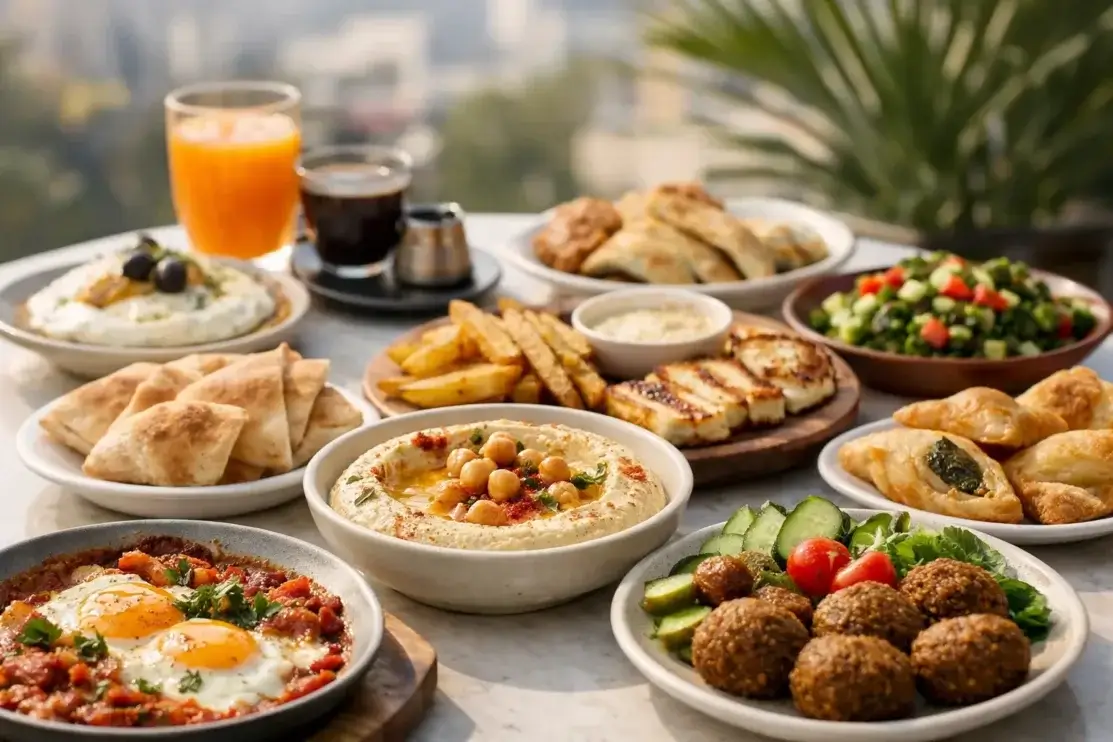
A good brunch should leave you feeling satisfied, not weighed down. That is part of what makes a Lebanese brunch menu guide so useful, especially for Los Angeles diners who want real flavor, fresh ingredients, and options that work for gluten-free, vegan, vegetarian, and allergy-conscious lifestyles.
Lebanese brunch has a natural advantage here. It is built around herbs, olive oil, bright citrus, legumes, vegetables, cultured dairy, eggs, and warm spices rather than heavy sauces or overly sweet dishes. When it is prepared with care, brunch becomes both comforting and energizing – the kind of meal that supports the rest of your day instead of slowing it down.
What makes a Lebanese brunch menu guide different
Most brunch conversations in LA still revolve around pancakes, bacon, breakfast sandwiches, and oversized pastries. There is nothing wrong with comfort food, but many diners are looking for something cleaner and more balanced. Lebanese brunch meets that need without feeling restrictive.
The flavors are generous, but the structure of the meal is usually lighter and more flexible. You might build your plate around eggs, labneh, fresh cucumbers, tomatoes, olives, herbs, and a side of potatoes or greens. You might lean into savory pastries, spreads, or dishes made with chickpeas and tahini. The result is a brunch that feels abundant without depending on excess.
That balance matters if you are dining with a group. One person may want a protein-rich plate, another may be plant-based, and someone else may need to avoid gluten or soy. Lebanese cooking, especially when approached thoughtfully, can adapt beautifully to those needs.
The core flavors of a Lebanese brunch menu
At the heart of a Lebanese brunch menu are ingredients that do real work. Mint, parsley, cucumber, tomato, lemon, olive oil, sesame, chickpeas, and yogurt each bring freshness, texture, or depth. Instead of masking ingredients, the cuisine lets them stay recognizable.
That is one reason it appeals to health-conscious diners. You can taste the quality of the produce. You can feel the difference when dishes are made from scratch. A well-made labneh is tangy and rich without being heavy. A chickpea-based dish can be deeply satisfying without relying on processed substitutes. A breakfast pastry can still feel special when the dough and filling are handled with intention.
Spice also plays a different role here. Lebanese brunch is flavorful, but not usually aggressive. Sumac adds brightness. Za’atar brings earthiness and lift. Cinnamon and allspice may show up in subtle ways. Garlic is present, but balanced. This creates a meal that tastes layered and memorable without overwhelming the palate first thing in the morning.
How to read a Lebanese brunch menu guide with confidence
If Lebanese brunch is new to you, start by thinking in categories instead of individual dishes. Look first for spreads and dips, then egg dishes, then pastries or breads, then salads and vegetable sides. That gives you a practical way to build a meal.
Spreads often set the tone. Labneh, hummus, and other house-made dips add creaminess, tang, and substance. If you eat dairy, labneh is often one of the most satisfying ways to begin. If you are plant-based, hummus or tahini-forward options can give you that same sense of richness.
Egg dishes tend to be savory and herb-driven rather than loaded with cheese or processed meats. Depending on the kitchen, they may come with tomatoes, onions, greens, fresh herbs, or spiced vegetables. For many diners, this is the sweet spot between comfort and nourishment.
Pastries can go in a few directions. Some are filled with greens or cheese. Others lean slightly sweet. In a health-forward setting, the best pastries still feel indulgent but are made with ingredient integrity in mind. That trade-off matters. You want something enjoyable enough for brunch, but not so heavy that it takes over the meal.
Then there are the fresh elements – cucumber, tomato, olives, herbs, pickles, greens, fruit. These are not just garnishes. In Lebanese dining, they help balance richer flavors and keep each bite bright.
Building a brunch plate that fits your needs
One of the best things about Lebanese brunch is that it can be composed, not just ordered. If you are especially hungry, combine a savory main with a spread and a fresh side. If you want something lighter, choose a smaller plate and let herbs, vegetables, and protein do the work.
For gluten-free diners, the main question is often not the cuisine itself but the execution. Traditional menus may rely on pita or wheat-based pastries, so it helps to look for kitchens that build gluten-free offerings intentionally rather than treating them as an afterthought. The same goes for soy-free dining. Many Mediterranean-inspired menus are naturally lower in soy, but cross-contact and processed ingredients still matter.
For vegan diners, Lebanese brunch can be very welcoming, though it depends on the menu. Hummus, chickpea dishes, vegetables, olive oil, tahini, and salads create a strong foundation. The key is whether the kitchen offers enough variety and substance to make the meal feel complete rather than improvised.
For those managing multiple sensitivities, trust becomes the deciding factor. A menu may sound healthy, but ingredient transparency is what actually makes brunch feel relaxing. That is why many LA diners are looking for restaurants that design the menu around dietary accessibility from the start.
Why Lebanese brunch works so well in Los Angeles
Los Angeles diners tend to know what they want. They care about ingredients. They ask questions. They often dine in mixed groups with different preferences and restrictions. A brunch format that can feel generous, beautiful, and inclusive has a real advantage here.
Lebanese food also fits the city’s rhythm. It is social without being fussy. It photographs well, but more importantly, it eats well. You can linger over coffee and small plates, or sit down for a more complete meal that still feels fresh. That flexibility is part of the appeal.
There is also a deeper reason it resonates. Many people are tired of choosing between food that is “good for you” and food that actually satisfies. A well-crafted Lebanese brunch does not force that split. It can be nourishing, allergy-aware, and deeply flavorful at the same time.
A Lebanese brunch menu guide for clean eating
Clean eating means different things to different people, so it helps to be specific. For some, it means avoiding gluten. For others, it means organic produce, non-GMO ingredients, or meals made without shortcuts. In the best Lebanese brunch settings, clean eating is not a marketing layer. It shows up in the actual composition of the food.
You can see it in scratch-made spreads, thoughtfully sourced vegetables, and dishes that let whole ingredients stay at the center. You can taste it when olive oil tastes like olive oil, herbs taste fresh, and baked goods do not rely on fillers to hold interest. It is a quieter kind of luxury, but it matters.
This is where a place like Levant Los Angeles feels especially relevant. A fully gluten-free, soy-free, organic, non-GMO, vegetarian- and vegan-friendly approach changes the brunch experience for people who are used to negotiating every order. Instead of asking what can be removed, diners can focus on what sounds delicious.
What to look for when choosing where to brunch
If you are scanning menus before making a brunch plan, pay attention to more than the names of the dishes. Look for signs that a restaurant understands both flavor and dietary care. A menu with just one token gluten-free option or a vague vegan label may not offer the kind of confidence many diners need.
Instead, look for menus that sound intentional. Are there house-made elements? Do vegetables and herbs play a real role? Is there enough variety for different eaters at the table? Does the food sound satisfying, not just compliant?
Also consider the atmosphere. Brunch is rarely only about the plate. It is about whether you can bring your family, meet a friend, celebrate something small, or simply take your time. The best neighborhood spots make everyone feel considered, from the ingredient list to the welcome at the table.
A Lebanese brunch done well offers exactly that kind of experience. It gives you color, comfort, balance, and room for different needs to coexist. If you are choosing your next brunch with care, start with the kind of menu that was always built around sharing, freshness, and genuine hospitality. That is often where the most satisfying meals begin.