
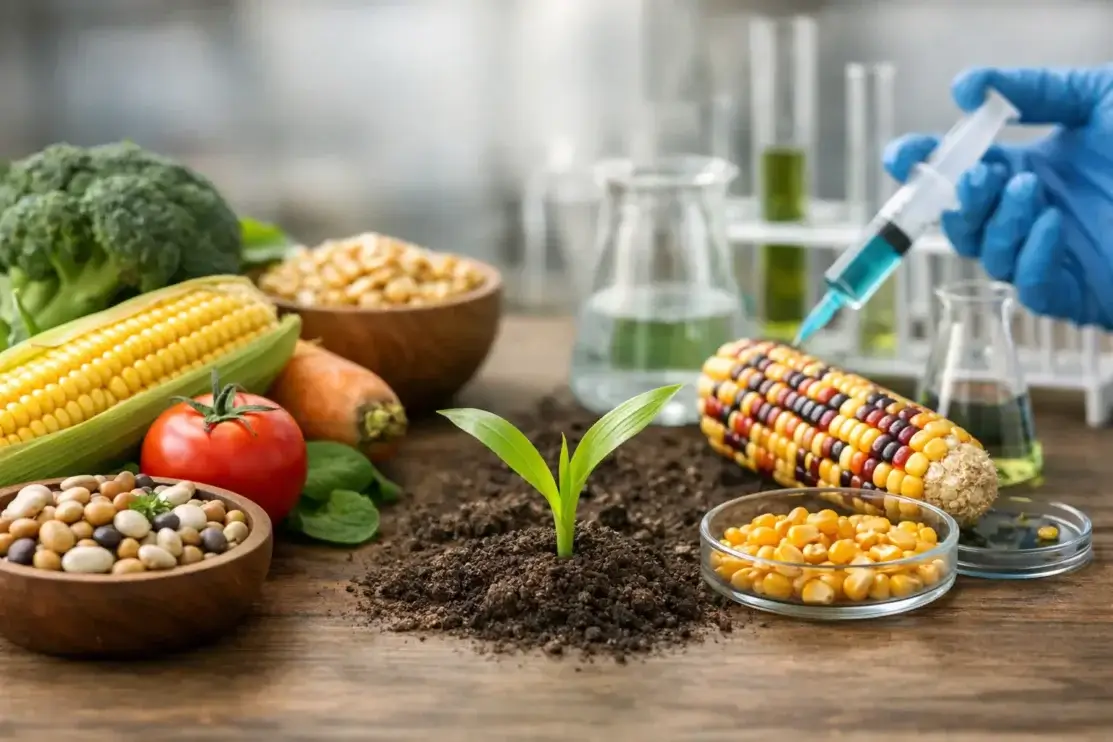
You have probably seen the phrase on product labels, restaurant menus, or bakery websites and wondered if it is just another wellness buzzword. If you have asked, what is non gmo ingredients, the short answer is this: it refers to ingredients that are not made from genetically modified organisms, or GMOs. The longer answer matters more, especially if you care about clean eating, food allergies, ingredient transparency, and knowing what is actually in your meal.
For many people, non-GMO is not about food trends. It is about trust. When you are choosing where to eat or what to bring home for your family, the language around ingredients should feel clear, not confusing.
What is non gmo ingredients?
Non-GMO ingredients are ingredients that have not been genetically engineered in a lab. Genetic modification changes the DNA of a plant or other organism in a way that does not happen through traditional growing and breeding methods.
That distinction is the key. Farmers have been selecting and breeding crops for generations to improve flavor, size, or resilience. GMO technology is different because it directly alters genetic material using biotechnology.
When a food is described as non-GMO, it generally means the ingredients were sourced to avoid those genetically modified crops. In practical terms, that often applies to ingredients commonly grown in GMO versions, such as corn, soy, canola, sugar beets, and some types of squash.
If a restaurant or food brand says it uses non-GMO ingredients, it is usually signaling a more intentional sourcing standard. That does not automatically mean every ingredient is organic, local, or minimally processed, but it does mean genetic engineering was not part of the ingredient pathway.
Why people pay attention to non-GMO foods
For some diners, the choice is personal. They simply feel better eating food that is closer to its natural state. For others, it is part of a broader commitment to cleaner labels and more transparent sourcing.
There is also a values piece. Many people who seek out non-GMO foods are trying to avoid highly industrialized food systems. They often care about how ingredients are grown, how much processing is involved, and whether a meal aligns with a more thoughtful way of eating.
That said, not everyone chooses non-GMO for the same reason. Some are focused on wellness. Some are managing sensitivities and want fewer variables in their food. Some are feeding children and prefer ingredients that feel simpler and easier to trust. In a health-forward kitchen, that nuance matters.
Non-GMO does not mean the same thing as organic
This is one of the most common points of confusion. Non-GMO and organic overlap, but they are not interchangeable.
Organic standards address how food is grown and produced. That includes rules around pesticides, fertilizers, soil practices, and synthetic additives. Certified organic foods also cannot be made with GMOs.
Non-GMO, on the other hand, speaks specifically to genetic modification. A product can be non-GMO without being organic. For example, an ingredient could be grown conventionally and still avoid genetic engineering.
So if you are comparing labels, organic usually covers more ground. Non-GMO is narrower, but still meaningful. For diners who care about ingredient integrity, both standards can play an important role.
Which ingredients are most often associated with GMOs?
Not every crop has a genetically modified version in common use. The conversation tends to center around a smaller group of ingredients that show up often in packaged foods and restaurant supply chains.
Corn and soy are two of the biggest examples. They appear everywhere, sometimes in obvious forms like cornmeal or tofu, and sometimes in less visible forms like corn syrup, soy lecithin, starches, and oils. Canola oil is another common one. Sugar can also be relevant, especially when it comes from sugar beets rather than cane sugar.
This is why ingredient standards matter so much in scratch kitchens. It is one thing to say a dish is made without GMOs. It is another to build recipes around ingredients that naturally avoid the most common GMO pathways in the first place.
What non-GMO means in a restaurant setting
In grocery stores, shoppers can read labels line by line. In restaurants, there is more trust involved. Guests are relying on the kitchen to source carefully and communicate honestly.
When a restaurant prioritizes non-GMO ingredients, that often reflects a bigger philosophy. It can mean choosing better oils, reading supplier documentation more closely, avoiding low-cost fillers, and building recipes from whole foods rather than heavily processed shortcuts.
That approach tends to matter a lot to people with dietary needs. If you are already asking whether a dish is gluten free, soy free, vegetarian, vegan, or allergy friendly, asking about GMOs fits naturally into the same conversation about transparency.
At a place like Levant Los Angeles, where ingredient standards are central to the experience, non-GMO is not a decorative label. It is part of a bigger promise that the food is made with care, intention, and respect for what guests are actually looking for.
Is non-GMO always healthier?
The honest answer is: it depends.
A non-GMO label does not automatically make a food nutritious. A cookie can be non-GMO and still be a cookie. Chips can be non-GMO and still be highly processed. The label tells you something useful about sourcing, but not everything about overall health value.
What usually makes non-GMO more meaningful is the company or kitchen behind it. When non-GMO comes alongside scratch cooking, organic produce, allergy awareness, and a focus on whole ingredients, it starts to signal a genuine food philosophy rather than a marketing claim.
That is why context matters. If you are choosing between two meals, the better question may not be, Is one non-GMO? It may be, How is this food made, what is in it, and does the kitchen care about ingredient quality across the board?
How to spot non-GMO ingredients without getting overwhelmed
If you are trying to make more intentional choices, you do not need to memorize agricultural science. A few simple habits can help.
Start by looking at the ingredient list, not just the front of the package. Pay special attention to corn, soy, canola, and sugar sources in processed foods. If a brand also talks openly about organic sourcing, scratch preparation, and allergen awareness, that is usually a good sign that ingredient standards are more than surface level.
In restaurants, ask direct questions. Is the oil non-GMO? Are the baked goods made from scratch? Does the kitchen use soy fillers or conventional processed sauces? A good kitchen will not be bothered by those questions. In fact, thoughtful restaurants expect them.
Why this matters for families and sensitive eaters
For families, ingredient clarity can lower stress. When one person is gluten free, another avoids soy, and someone else wants vegan options, eating out can start to feel like a negotiation. Standards like non-GMO help narrow the field toward places that are already thinking carefully.
For people with food sensitivities, cleaner sourcing can also feel more predictable. Non-GMO is not a treatment, and it is not a guarantee against reactions. Still, diners who are already navigating digestive issues or ingredient sensitivities often prefer meals made with fewer industrial ingredients and more straightforward preparation.
There is also peace of mind in knowing a kitchen is paying attention before you ever ask. That kind of care changes the experience of a meal. You spend less time decoding and more time enjoying.
The bigger picture behind non-GMO ingredients
At its best, the non-GMO conversation is not about fear. It is about intention.
People want food that feels honest. They want meals made from ingredients they recognize, prepared by kitchens that value nourishment as much as flavor. Non-GMO ingredients are one part of that picture. Not the whole picture, but an important one.
If you have been asking what is non gmo ingredients, think of it as a sourcing standard that helps you understand how your food begins. From there, the best choices usually come from looking at the full story – the farming, the preparation, the transparency, and the care behind every plate.
When a meal is made with that level of thought, you can taste the difference, and you can feel it too.