
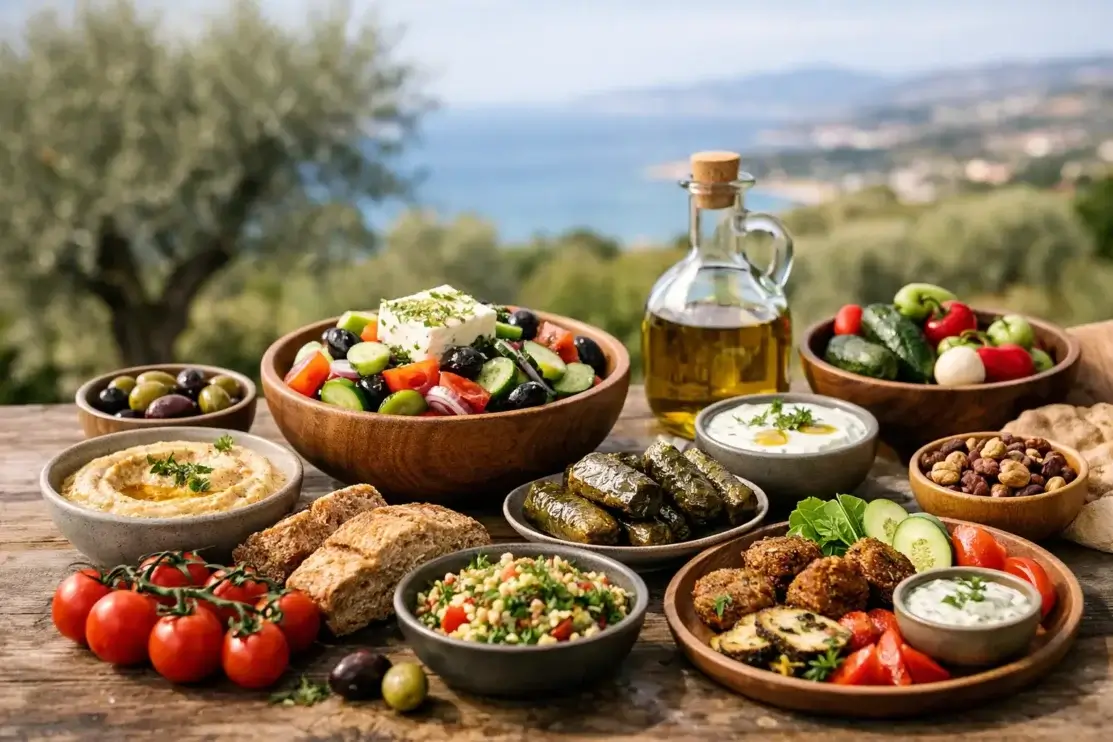
You can taste the difference when a meal starts with real ingredients. Organic mediterranean food is not just about checking a wellness box. It is about vegetables picked for flavor, olive oil that tastes alive, herbs that do more than decorate a plate, and recipes that let each ingredient matter.
For many people in Los Angeles, that difference is personal. Maybe you are eating gluten free and tired of being treated like an afterthought. Maybe you want a meal that feels generous and comforting, but still aligns with how you care for your body. Or maybe you simply want Mediterranean food that honors tradition without leaning on shortcuts. That is where organic ingredients can change the entire experience.
What organic mediterranean food really means
Mediterranean food already has a strong reputation for freshness, balance, and abundance. But not every Mediterranean menu is built the same way. Organic mediterranean food takes the foundation people already love – vegetables, legumes, olive oil, herbs, grains, nuts, and carefully prepared proteins – and raises the standard for how those ingredients are sourced.
At its best, organic means produce grown without synthetic pesticides, ingredients handled with more care, and a kitchen that values transparency. That does not automatically make every dish healthier in every context. A pastry is still a pastry, and fried food is still fried food. But when the base ingredients are cleaner and more thoughtfully selected, the food often feels lighter, more vibrant, and easier to trust.
That trust matters, especially for diners with food sensitivities or families trying to make better everyday choices without giving up joy. When a restaurant or home cook starts with organic produce, non-GMO ingredients, and from-scratch preparation, the result is often more than a healthy meal. It is peace of mind.
Flavor comes first, not just food rules
There is a common misconception that health-forward food asks you to settle. Anyone who grew up around Levantine cooking knows that is not true. The heart of this cuisine is not restriction. It is depth. It is lemon, parsley, mint, garlic, sesame, chickpeas, cucumber, tomatoes, warm spices, and olive oil used with intention.
Organic ingredients can make those flavors more expressive. A ripe tomato does not need much help. Fresh parsley should smell green and bright the moment it is chopped. Good tahini should be nutty and rich, not flat or bitter. When ingredients are treated with respect from the start, classic dishes like hummus, falafel, fattoush-inspired salads, roasted vegetables, and mezze platters become more satisfying in a very honest way.
This is also why scratch cooking matters so much. Organic ingredients alone do not guarantee a meaningful meal. The cooking still matters. The seasoning matters. Texture matters. The balance between comfort and freshness matters. A kitchen that understands Mediterranean food as a living tradition will know how to make clean eating feel abundant rather than clinical.
The health appeal is real, but it is not one-size-fits-all
People often seek out Mediterranean food because they want something nourishing that still feels complete. Organic versions can support that goal, especially when meals center vegetables, legumes, healthy fats, and thoughtful portions. For some diners, that means more energy after lunch. For others, it means fewer heavily processed ingredients and a better fit for long-term wellness habits.
Still, health is personal. A grain bowl may work beautifully for one person and not at all for someone avoiding grains. A dairy-based spread may be perfect for a vegetarian but not for someone managing an intolerance. Even within Mediterranean cooking, what feels best depends on your body, your needs, and your priorities.
That is why the strongest health-forward kitchens do not just say organic and stop there. They think about inclusivity. They consider gluten-free diners, vegan diners, and people navigating allergies or ingredient sensitivities. They create menus that feel welcoming instead of complicated. In a city like Los Angeles, that level of care is not extra. It is essential.
Why ingredient integrity matters in Mediterranean cooking
Mediterranean food can look simple on the plate, which is exactly why ingredient quality is so visible. When a dish relies on chickpeas, lemon, tahini, and olive oil, there is nowhere to hide. If the olive oil is dull or the chickpeas are poorly prepared, you will notice. If the greens are fresh and the herbs are generous, you will notice that too.
Organic sourcing supports this style of cooking because it keeps attention on the essentials. The cuisine does not need heavy sauces or artificial flavor boosts to feel exciting. It needs produce with character, spices with aroma, and recipes made from scratch. That is true whether you are serving a quick lunch, a family-style dinner, or pastries baked for a special gathering.
There is also an emotional layer here. Mediterranean and Levantine food is often tied to memory, family, and hospitality. When those recipes are made with integrity, they carry that feeling more fully. The meal becomes more than efficient fuel. It feels cared for.
Organic mediterranean food and dietary peace of mind
For diners with dietary restrictions, eating out can be exhausting. Menus may sound fresh and healthy, but the details are often unclear. Is the dish truly gluten free, or just low gluten? Does the sauce contain soy? Was the dessert made with ingredients that fit your needs, or are you expected to skip it and smile?
This is where a more intentional approach to organic mediterranean food stands out. Mediterranean cuisine naturally offers a lot of ingredients that can work well across different diets, but only if the kitchen is paying attention. Chickpeas, vegetables, herbs, olive oil, lentils, and sesame can be incredibly inclusive. Cross-contact, hidden ingredients, and inconsistent preparation can quickly change that.
A restaurant that builds its menu around clean, allergy-friendly standards offers something many diners are quietly searching for – the ability to relax. If you know the kitchen takes gluten-free, soy-free, vegetarian, vegan, and organic standards seriously, the meal becomes easier to enjoy. That kind of trust turns a one-time visit into a neighborhood relationship.
At Levant Los Angeles, that philosophy is part of the experience. Food is prepared from scratch with organic, gluten-free, soy-free, and non-GMO standards in mind, so guests can enjoy Levantine-inspired meals with both comfort and confidence.
What to look for when choosing where to eat
Not every restaurant using the language of wellness is doing the same work behind the scenes. If you are looking for truly thoughtful organic mediterranean food, pay attention to how the place talks about ingredients and preparation. Vague claims usually feel vague on the plate too.
A more trustworthy restaurant tends to be specific. It will tell you if food is made from scratch. It will be clear about dietary standards. It will treat hospitality as part of the food itself, not as a script. You should feel that the menu was designed for real people with real needs, not patched together to follow a trend.
It also helps to notice whether the food sounds alive. Menus built around seasonal vegetables, fresh herbs, quality olive oil, house-made dips, and carefully prepared baked goods often reflect a deeper commitment than menus that rely on broad health language alone.
A better everyday meal, not just a special occasion choice
One of the best things about Mediterranean food is that it fits real life. It can be a weekday lunch, an easy dinner with family, a catered spread for a celebration, or a pastry shared over coffee with a friend. When those meals are made with organic ingredients and inclusive care, they become easier to return to again and again.
That repeatability matters. Most people are not looking for perfect eating. They are looking for places that make good choices feel natural and satisfying. Organic mediterranean food can do that beautifully because it does not ask you to choose between comfort and wellness. It gives you both, if the cooking is honest.
The best meals leave you feeling nourished, welcomed, and glad you came hungry. If that is what you are after, look for Mediterranean food made with intention from the ground up. Your body will notice, and so will your table.