
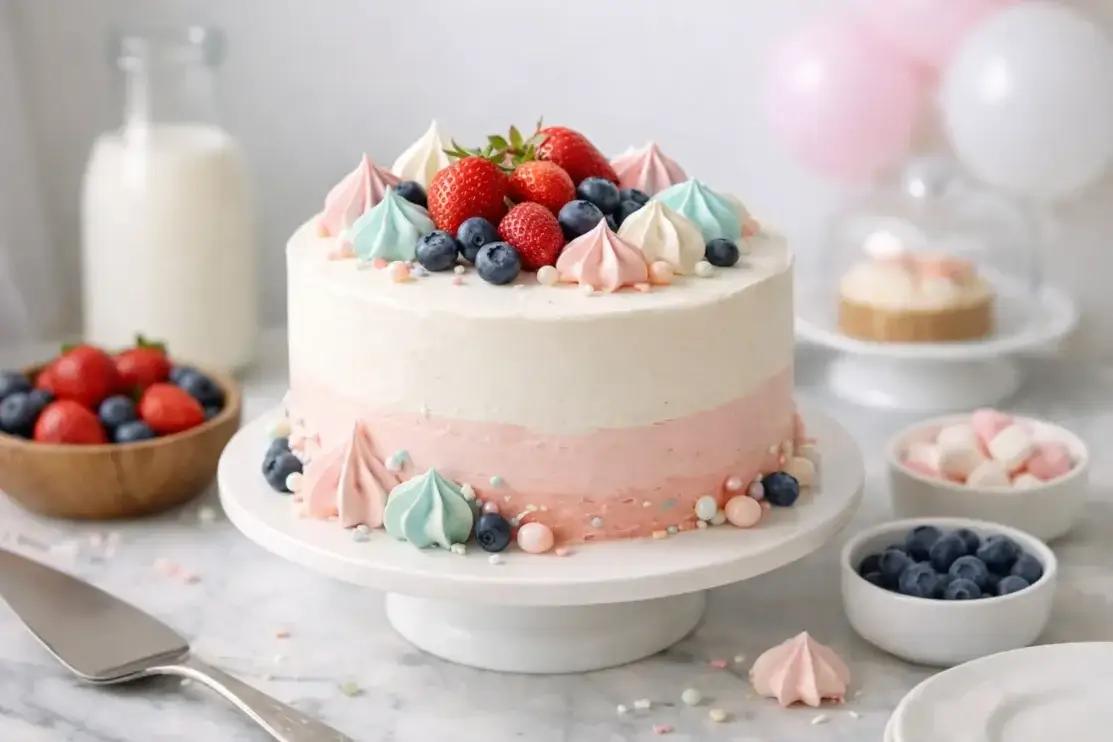
A birthday cake should not come with a side of worry. For many families, though, celebrations start with a long list of questions – Is it gluten free? Is there dairy? Was it made near soy? Can everyone at the table safely share it? That is exactly why allergy friendly custom cakes matter. They turn a stressful moment into what it should be: a warm, joyful gathering where every guest feels included.
At their best, these cakes do more than avoid certain ingredients. They are thoughtfully made from the ground up, with flavor, texture, and safety considered together. When a bakery truly understands special diets, the result does not feel like a compromise cake. It feels like a real celebration.
What makes allergy friendly custom cakes different
A standard custom cake usually begins with design, flavor, and serving size. An allergy friendly custom cake starts one step earlier – with the needs of the people who will actually eat it. That means the ingredients, preparation methods, and kitchen standards matter just as much as the decoration.
For some customers, the concern is medical. Gluten, dairy, soy, nuts, or eggs may trigger serious reactions or ongoing health issues. For others, the concern is lifestyle-driven but still deeply important. They may follow a vegan diet, avoid non-GMO ingredients, or prefer organic options because they want cleaner, more intentional food for their families.
Those needs are not all the same, and that is where nuance matters. A cake that is vegan is not automatically safe for someone avoiding gluten. A gluten-free cake may still contain dairy or be made in a kitchen that uses common allergens. Even the phrase allergy friendly can mean different things depending on the bakery. That is why real transparency matters more than broad claims.
Why the ingredients matter as much as the design
A beautiful cake gets attention for a few minutes. A well-made cake gets remembered after the candles are blown out.
With allergy friendly baking, ingredient choices have a direct effect on flavor and structure. Gluten-free flour blends behave differently from wheat flour. Egg-free cakes need another way to build lift and tenderness. Dairy-free frostings can be rich and smooth, but only when they are made with care rather than treated like a substitute.
This is where scratch baking makes a real difference. When a kitchen relies on packaged mixes or shortcuts, there is less control over what goes into the cake. Hidden soy, gums, preservatives, and fillers can show up where customers do not expect them. From-scratch baking gives the baker more control over texture, taste, and ingredient integrity.
That control matters for families trying to order once and serve everyone. It also matters for hosts who want the cake to feel generous, not restricted. People should be talking about how good the cardamom is, how fresh the berries taste, or how creamy the frosting feels – not about what the cake was missing.
The biggest question: safe for whom?
This is the part many customers are quietly trying to figure out when they place an order. Allergy friendly custom cakes sound reassuring, but the right cake depends on the specific allergy or sensitivity involved.
If someone in the group has celiac disease, the conversation about gluten needs to be very clear. If a child has a dairy allergy, ingredients and handling both matter. If the concern is soy, the bakery should know where soy can hide, including in chocolate, baking sprays, fillings, and processed decorations.
There is also a difference between accommodating preferences and managing serious allergens. A bakery can offer vegan cakes, for example, without being equipped to guarantee protection for every severe allergy. Honest communication is a sign of care, not a limitation. The safest bakeries are usually the ones that ask good questions and answer yours directly.
For customers, this means ordering early and being specific. Instead of saying allergy friendly, it helps to name the exact needs: gluten free, dairy free, soy free, vegan, nut free, or a combination. The more detailed the conversation, the more confident the final cake can be.
Flavor still comes first
There is an old assumption that a cake made for dietary needs will be dry, dense, or overly sweet. That assumption usually comes from bad baking, not from the ingredients themselves.
A thoughtfully made gluten-free cake can be tender and satisfying. A dairy-free frosting can be silky and balanced. A vegan cake can have depth, moisture, and a clean crumb. The goal is not to imitate a conventional cake badly. The goal is to create a cake that stands proudly on its own.
Levantine-inspired flavors are especially well suited to this approach because they already bring so much natural character. Citrus, pistachio alternatives where appropriate, tahini when safe for the customer, rose water, cardamom, cinnamon, orange blossom, dates, and fresh fruit can all create a dessert that feels distinctive rather than limited. Even simple vanilla becomes more memorable when the ingredients are high quality and the sweetness is restrained.
That said, not every flavor works for every dietary need. A filling that tastes beautiful in one version may need to be reworked for another. Sometimes the most elegant choice is also the simplest – a clean vanilla crumb, a bright fruit layer, and a frosting that lets the cake breathe.
Design matters too, but in a different way
Custom cakes are emotional purchases. They mark birthdays, baby showers, graduations, engagements, and quiet family milestones that deserve care. People want them to look special.
The difference with allergy friendly custom cakes is that the design often has to work within tighter ingredient boundaries. Certain decorative finishes, metallic elements, candy toppings, or commercial fondants may not align with the dietary standards a customer needs. That does not make the cake less beautiful. It simply changes the design language.
In many cases, a more natural style feels more inviting anyway. Fresh flowers where appropriate, textured frosting, fruit garnishes, toasted coconut, simple piping, and thoughtful color palettes can create a cake that feels elegant without relying on heavily processed decorations. There is a kind of confidence in a cake that does not have to hide behind excess.
For a health-conscious host, that balance often feels right. You still want a centerpiece. You just want one that reflects the same values as the rest of the meal.
How to order allergy friendly custom cakes with confidence
The best custom cake orders usually begin with a real conversation. Start with the date, guest count, and occasion, then move quickly into dietary details. Be clear about what is required, what is preferred, and whether there is a medically necessary concern involved.
From there, ask how the cake is made and how ingredients are sourced. A bakery that prioritizes clean food should be able to explain its standards clearly. Organic ingredients, non-GMO sourcing, gluten-free preparation, soy-free baking, and from-scratch methods all tell you something important about the level of intention behind the product.
It also helps to stay open on design and flavor. If your first idea depends on ingredients that do not fit the dietary needs, a skilled bakery can often guide you toward something just as celebratory and even more delicious. Flexibility usually leads to a better final result than forcing a concept that was never designed for special diets.
In Los Angeles, where so many households are balancing wellness goals with real food restrictions, this kind of cake is not a niche request anymore. It is becoming the standard for thoughtful hosting. A bakery like Levant Los Angeles understands that hospitality is not just about serving beautiful food. It is about making people feel safe, seen, and fully welcome at the table.
When the right cake changes the whole celebration
People remember when they were included. They remember when they did not have to bring their own dessert, ask uncomfortable questions, or sit out while everyone else had cake.
That is the quiet power of allergy friendly custom cakes. They remove friction from a meaningful moment. They allow the host to be generous. They allow the guest to relax. And they prove that clean ingredients and careful baking can still create something festive, abundant, and deeply satisfying.
A special cake should feel like an invitation. When it is made with intention, it tells every person at the table the same thing: this celebration was made with you in mind.