
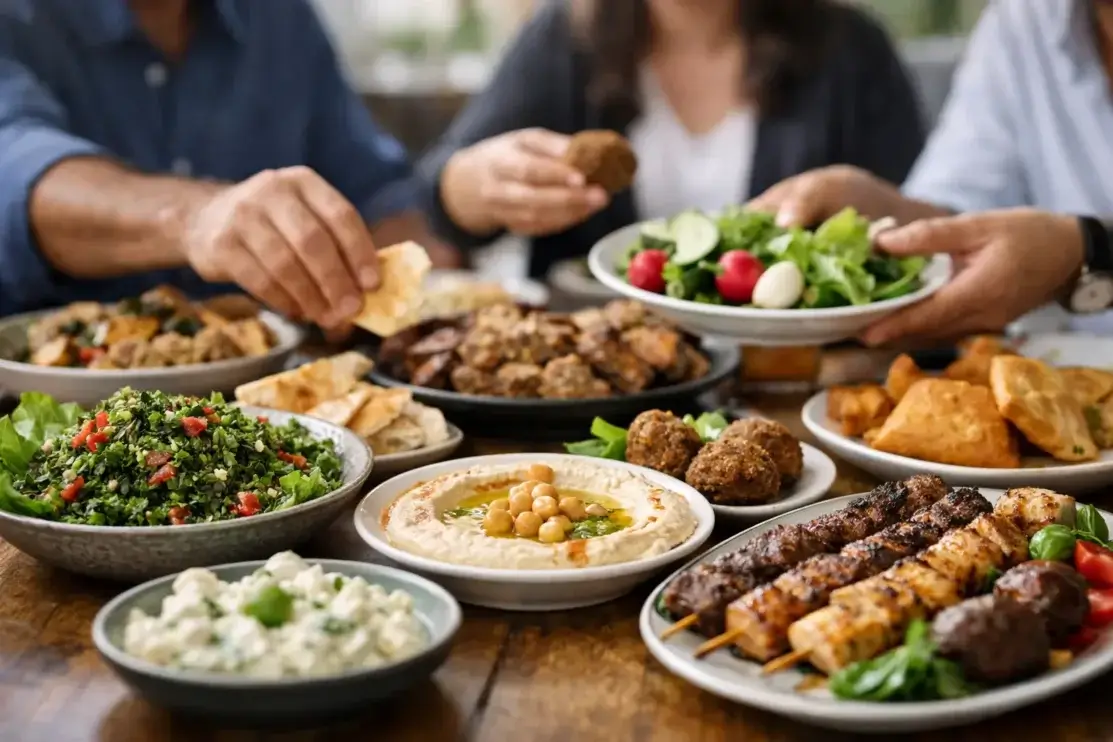
A table set with creamy hummus, warm flatbread, bright herbs, roasted vegetables, and a bowl of lemony salad has a way of asking people to slow down. Lebanese food is built for that kind of gathering: generous, colorful, and deeply comforting without needing to feel heavy. Each plate makes room for flavor, conversation, and the simple pleasure of sharing food made with care.
For diners who pay close attention to ingredients, that generosity matters. Lebanese cooking naturally gives vegetables, legumes, olive oil, herbs, and grains a central role. But enjoying it with confidence still comes down to the details: how a dish is prepared, what is added to a sauce, and whether the kitchen can honor dietary needs without treating them as an afterthought.
What Makes Lebanese Food Feel So Good?
Lebanese cuisine comes from a food tradition shaped by the Levant, where meals often begin with mezze: small plates meant to be passed around the table. Rather than building a meal around one oversized entrée, mezze creates variety. You might have a spoonful of smoky eggplant dip, a crisp bite of cucumber, a little tahini, and a warm, spiced vegetable dish all in the same meal.
That variety is one reason the cuisine feels both satisfying and balanced. Fresh parsley, mint, garlic, lemon, sumac, pomegranate, and olive oil bring boldness without relying only on salt, sugar, or heavy cream. Chickpeas and lentils add substance. Roasted vegetables bring sweetness and depth. Yogurt and tahini can add creaminess, depending on the dish and dietary preference.
There is also an emotional reason Lebanese food stays with people. Many beloved recipes are made in batches, passed down through families, and served to guests with a genuine sense of welcome. A good meal is not rushed. It is an offering of care.
Freshness Is Part of the Recipe
A plate of tabbouleh is a great example of how much Lebanese cooking depends on freshness. It is not simply a grain salad. At its best, it is herb-forward, lively with lemon, and balanced by tomatoes, green onion, and a touch of olive oil. The ingredients are familiar, but their proportions and preparation make the difference.
The same is true of hummus. The essentials are simple: chickpeas, tahini, lemon, garlic, and olive oil. Yet texture, acidity, and the quality of each ingredient can turn a basic dip into something memorable. From-scratch cooking honors that difference. It lets the ingredients speak clearly and gives diners a meal that feels cared for from the first bite.
Lebanese Food Is Naturally Inclusive, With a Few Caveats
People often assume Mediterranean food is automatically safe for every dietary need. It can be a wonderful option, especially for vegetarians and people seeking vegetable-forward meals, but it depends on the kitchen and the recipe.
Many familiar dishes are naturally vegan or easy to make vegan, including hummus, baba ghanoush, falafel, lentil soups, salads, stuffed grape leaves, and roasted vegetables. Other dishes may contain yogurt, butter, cheese, eggs, or meat. A traditional recipe is not less meaningful because it is adapted thoughtfully, but the adaptation should be transparent and intentional.
Gluten is another important consideration. Bulgur is traditional in tabbouleh and kibbeh, and conventional pita contains wheat. Cross-contact can also happen in kitchens where flour is used widely. For someone with celiac disease, a wheat allergy, or a serious sensitivity, asking whether a dish is gluten-free is only the first step. It matters whether the preparation space, fryers, sauces, and baked goods are also managed with care.
Soy can be less obvious. It may appear in packaged sauces, processed proteins, or ingredients that do not seem connected to Lebanese cooking at all. Diners with allergies deserve clear answers, not guesswork. The same goes for sesame, a cornerstone of tahini and a common allergen. Inclusive hospitality means making delicious choices available while communicating honestly about what each dish contains.
At Levant Los Angeles, those standards are part of the meal from the beginning. The menu is fully gluten-free, soy-free, organic, and non-GMO, with vegetarian, vegan, and allergy-friendly options designed so diners can enjoy Levantine-inspired food with greater peace of mind.
The Building Blocks of a Lebanese-Inspired Meal
A nourishing Lebanese-style meal does not need to be complicated. Think in layers of texture and flavor: something creamy, something crisp, something warm, something herbal, and something bright with acid. That is how a table feels abundant even when the ingredients are straightforward.
Start with a dip such as hummus or baba ghanoush. Add a fresh salad with herbs, tomatoes, cucumber, lemon, and olive oil. Bring in a warm element, perhaps roasted cauliflower, seasoned potatoes, lentils, or grilled vegetables. Then add a protein that suits the table, from chickpeas and falafel to chicken or fish if that is part of your diet.
The bread question deserves attention, especially for gluten-free diners. Pita is deeply associated with Lebanese food, and there is real comfort in using it to scoop a dip or wrap a filling. Still, a meal does not depend on wheat to feel complete. Gluten-free flatbreads, crisp vegetables, rice, or simply a fork can carry those same flavors beautifully. The goal is not to force a substitute into every tradition. It is to preserve the joy, generosity, and balance of the meal.
Herbs, Citrus, and Olive Oil Do the Heavy Lifting
Lebanese cooking teaches a useful lesson for home cooks: flavor does not always require a long ingredient list. A squeeze of lemon can wake up lentils. Fresh mint can cool a warm vegetable dish. Parsley can make a salad taste clean and vibrant rather than flat. Olive oil rounds everything out with richness and body.
Spices are used with care, too. Allspice, cinnamon, cumin, coriander, and black pepper can add warmth, while sumac brings a tart, berry-like brightness. The result is layered rather than overpowering. If you are learning to cook these flavors at home, begin with lemon, garlic, parsley, olive oil, and one spice blend you enjoy. Taste as you go. A little adjustment at the end can transform the whole dish.
Why Shared Plates Matter
There is a practical benefit to shared plates: everyone can build a meal that works for them. A vegan diner can lean into hummus, salads, lentils, and vegetables. Someone who wants extra protein can choose accordingly. A child can try one small bite before committing to a full portion. A guest avoiding gluten can select from clearly prepared options instead of feeling limited to a side dish.
But the deeper value is the feeling of belonging. When a table offers choices with equal care, no one has to explain or apologize for what they can eat. That changes the experience. Food becomes less about restriction and more about being welcomed.
This is especially meaningful when planning a brunch, family dinner, work lunch, or celebration. A thoughtful spread can accommodate different preferences without making the meal feel fragmented. Instead of preparing separate dishes for separate people, choose foods that invite everyone into the same conversation: herb-filled salads, vegetable plates, dips, naturally gluten-free sides, and desserts made with clear ingredients.
Choosing Lebanese Food With Confidence
When ordering Lebanese food, especially with allergies or dietary restrictions, a few questions can make a meaningful difference. Ask whether sauces and dressings are made in-house, whether gluten-free dishes are prepared separately from wheat products, and whether staff can identify the major allergens in a dish. If you are vegan, confirm whether yogurt, butter, or egg appears in a topping or pastry. If sesame is an issue, remember that tahini is common even when it is not visible on the plate.
These questions are not fussy. They are part of caring for yourself, and a welcoming restaurant should make room for them. Ingredient transparency builds trust. So does a kitchen that sees dietary accessibility as a creative standard rather than a limitation.
Lebanese food reminds us that nourishment can be bright, generous, and full of personality. Whether you are gathering friends around a shared table or choosing a meal that fits your needs, look for food made with fresh ingredients, clear intention, and enough care to make every guest feel at home.