
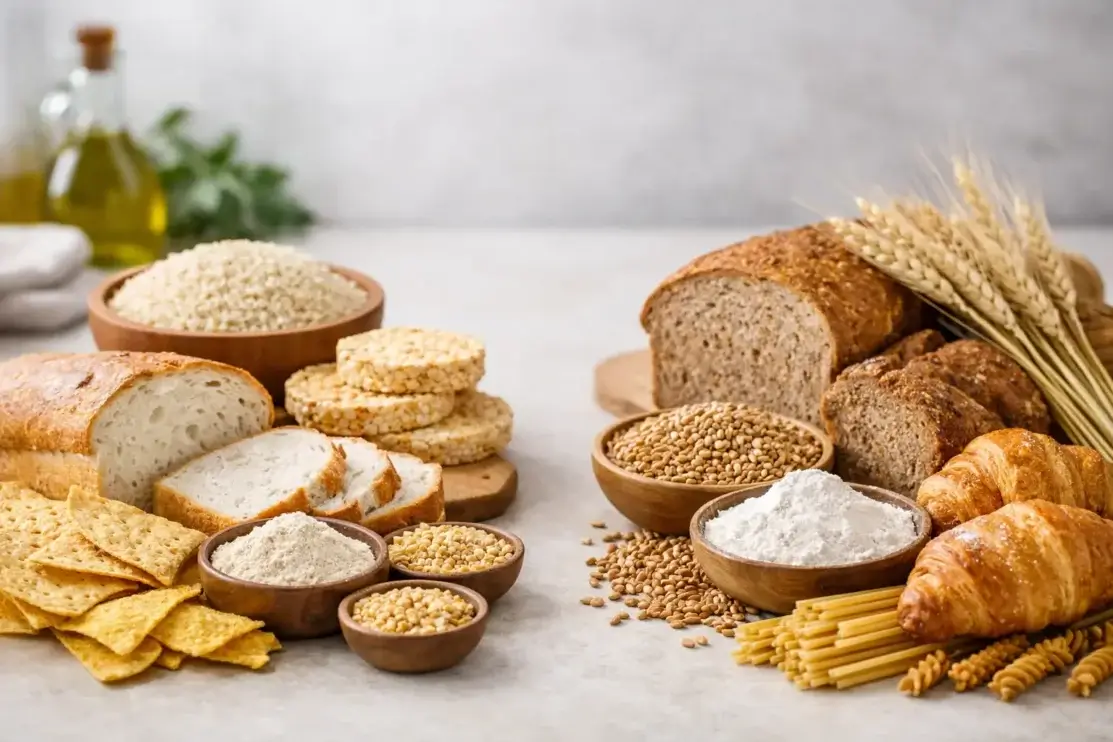
A plate can be wheat free and still be completely unsuitable for someone who needs to avoid gluten. That small distinction matters at the grocery store, in a bakery case, and especially when choosing a restaurant for a shared meal. Understanding gluten free vs wheat free helps you ask better questions, protect your health, and enjoy food with greater confidence.
For many diners, these terms sound interchangeable. They are not. Wheat is one specific grain, while gluten is a group of proteins found in several grains. A wheat-free label tells you one thing. A gluten-free label addresses something broader. Neither term automatically answers every question about allergies, ingredient quality, or cross-contact, but knowing the difference is a strong place to begin.
Gluten Free vs Wheat Free: The Core Difference
Wheat is a grain used in familiar foods such as bread, pasta, crackers, cakes, pastries, couscous, and flour tortillas. It contains gluten, a protein that gives dough its stretch and helps baked goods hold their structure.
Gluten is found in wheat, but it is also found in barley and rye. That means a food can contain no wheat and still contain gluten. Barley malt, malt vinegar, rye bread, and some grain-based flavorings are common examples. A wheat-free beer made from barley is still not gluten free.
The reverse can be true as well. In the United States, a product labeled gluten free may contain specially processed wheat starch if it meets federal gluten-free requirements, which limit gluten to fewer than 20 parts per million. This can be appropriate for many people with celiac disease or gluten sensitivity, but it may not be safe for someone with a wheat allergy. The ingredient list still matters.
Put simply: gluten free means the food is made without gluten-containing grains or has been processed and tested to meet gluten-free standards. Wheat free means it does not contain wheat, but it may still include gluten from barley or rye.
Who Needs Gluten-Free Food?
People with celiac disease need to avoid gluten strictly and consistently. For them, even small amounts can trigger an immune response that damages the small intestine, whether or not symptoms are immediately obvious. Cross-contact from a shared toaster, fryer, cutting board, flour-dusted counter, or serving utensil can be a real concern.
Others avoid gluten because of non-celiac gluten sensitivity. Their symptoms may include digestive discomfort, headaches, fatigue, brain fog, or joint pain, although the experience can vary widely from person to person. Some people also find that reducing gluten-containing foods supports a dietary routine that feels better for them, even without a diagnosed condition.
For anyone avoiding gluten for medical reasons, “wheat free” is not enough reassurance. The food must also be free from barley, rye, and sources of gluten that can appear in sauces, seasonings, malt products, and prepared foods.
Gluten-Free Does Not Automatically Mean More Nutritious
A gluten-free cookie is still a cookie. A packaged gluten-free snack can still be high in added sugar, sodium, or highly refined starches. Removing gluten does not automatically make a food organic, whole-food based, vegan, or better balanced.
That said, gluten-free eating can be deeply nourishing when the plate is built around naturally gluten-free ingredients: vegetables, fruits, legumes, nuts, seeds, eggs, dairy, fish, meat, and gluten-free grains such as rice, quinoa, millet, buckwheat, and certified gluten-free oats. Mediterranean cooking offers plenty of naturally gluten-free possibilities, from vibrant salads and lentil dishes to roasted vegetables, rice-based plates, and dips made from chickpeas, sesame, and fresh herbs.
Who Needs Wheat-Free Food?
A wheat-free diet is most essential for people with a wheat allergy. Unlike celiac disease, which is an autoimmune condition involving gluten, a wheat allergy is an immune-system reaction to proteins in wheat. Those proteins may include gluten, but gluten is not the only concern.
Reactions to wheat can range from hives, congestion, stomach pain, and vomiting to more severe symptoms, including anaphylaxis. Anyone with a suspected wheat allergy should work with a qualified medical professional for testing and personalized guidance.
Because barley and rye do not contain wheat, they may be acceptable for a person avoiding wheat only. But that does not make them appropriate for someone with celiac disease. This is why a label that feels clear to one diner can be incomplete for another.
Where Labels Can Get Confusing
Food packaging can be helpful, but it should not replace reading the ingredient list. “Made without wheat” may not mean gluten free. “Gluten friendly” is not the same as certified gluten free. And “contains no gluten ingredients” does not always address how the product was made or whether cross-contact was controlled.
Oats deserve particular care. Oats do not naturally contain gluten, yet they are often grown, transported, or processed alongside wheat, barley, and rye. People who need strict gluten avoidance should look for oats specifically labeled gluten free. A smaller number of people with celiac disease may also react to avenin, a protein in oats, so individual medical advice matters.
Restaurant language can be just as important as package language. A menu may identify a dish as gluten free based on its ingredients, while the kitchen still uses shared equipment that creates a cross-contact risk. Thoughtful restaurants make their practices clear rather than leaving diners to guess.
How to Choose With More Confidence
Start with the reason you are avoiding an ingredient. If you have celiac disease, look for foods that are clearly gluten free and ask about shared preparation areas, fryers, grills, and utensils. If you have a wheat allergy, ask whether any wheat-derived ingredients or wheat starch are used, even if the item is labeled gluten free.
When dining out, a simple, specific question is often best: “I need to avoid gluten completely. Does this dish contain wheat, barley, rye, malt, or ingredients prepared with shared equipment?” For a wheat allergy, say so directly. The kitchen needs to understand whether gluten itself, wheat specifically, or both are the issue.
It also helps to look beyond substitutions. The most satisfying gluten-free meals are not trying to imitate conventional food at every turn. They are thoughtfully built around ingredients that naturally belong together. A creamy tahini sauce, a crisp herb salad, a warm lentil dish, or a naturally gluten-free pastry made with care should feel like real food, not a compromise.
At Levant Los Angeles, the entire menu is gluten free, soy free, organic, and non-GMO, so guests can come together around scratch-made Levantine-inspired food without one person being left to navigate a separate corner of the menu. That kind of intentionality is especially meaningful when food is part of a birthday, family dinner, or everyday moment of comfort.
A Better Question Than “Is It Safe?”
Food safety is essential, but diners also deserve flavor, generosity, and the ease of feeling welcomed at the table. If you need to avoid gluten or wheat, your choices should not have to feel limited to plain salads and second-best desserts.
The right choice depends on your individual needs, the ingredients used, and the care taken in preparation. Ask clearly, read closely, and choose places that treat dietary needs as part of hospitality. Good food should give you something more than an answer on a label. It should give you the comfort of knowing there is a place for you at the table.