
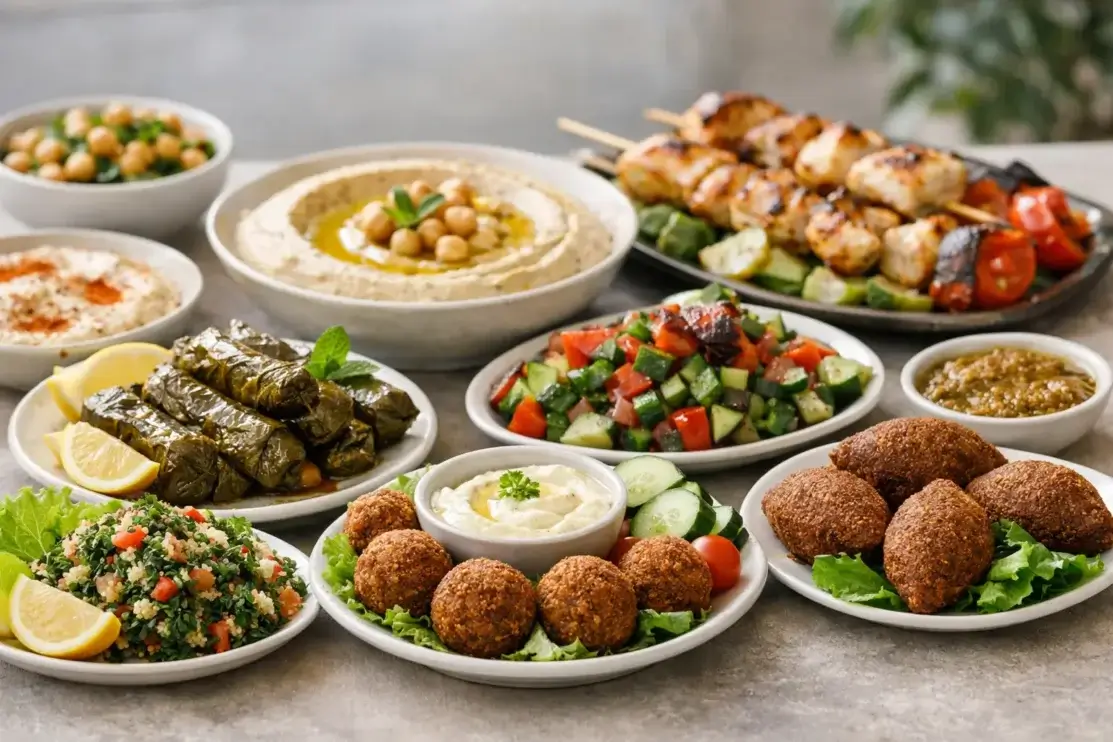
A Lebanese table is meant to be generous: a bright scoop of hummus, herbs piled high, warm spices, crisp vegetables, and plates passed from person to person. For diners avoiding gluten, that abundance can feel especially welcome. Many gluten free Lebanese dishes begin with naturally gluten-free ingredients such as chickpeas, lentils, rice, vegetables, olive oil, tahini, lemon, and fresh herbs. But naturally gluten-free is not the same as reliably safe. The details of preparation matter.
For people with celiac disease, gluten sensitivity, or an allergy-conscious household, the goal is not simply to find a few acceptable menu items. It is to sit down for a flavorful, satisfying meal without having to second-guess every sauce, seasoning, fryer, or shared prep surface. Lebanese cooking offers beautiful possibilities for that kind of meal when it is prepared with care.
Why Lebanese Food Can Be a Wonderful Gluten-Free Choice
At its heart, Lebanese food celebrates ingredients that do not need wheat to feel complete. A well-made plate can be creamy from tahini, deeply savory from garlic and olive oil, bright from lemon, and filling from legumes and vegetables. There is no need for a gluten-free meal to feel like a compromise or a collection of substitutions.
That said, familiar dishes can vary from kitchen to kitchen. Some recipes use breadcrumbs to bind fritters or meat dishes. Some marinades, spice blends, and prepared stocks may contain gluten. Pita is a classic part of many Mediterranean meals, and crumbs can travel quickly across a busy kitchen. A dish that is naturally free of gluten by recipe may not be appropriate for every diner if it is prepared beside wheat-based foods.
The most reassuring restaurant experience comes from a kitchen with clear ingredient standards and a thoughtful process, not just a menu icon. At Levant Los Angeles, a fully gluten-free kitchen allows guests to enjoy the generosity of Levantine-inspired food with more confidence, whether they are gathering for brunch, ordering dinner, or choosing food for a celebration.
Gluten Free Lebanese Dishes to Look For
The best place to begin is with dishes whose traditional foundations are already built on legumes, vegetables, rice, and naturally gluten-free grains. These are not afterthoughts. They are some of the most beloved flavors on the table.
Hummus and tahini-based dips
Hummus is made from chickpeas, tahini, lemon, garlic, and olive oil. Its richness comes from simple, nourishing ingredients, not flour. Baba ghanoush, a silky eggplant dip often finished with tahini and lemon, is another beautiful choice. Both are naturally gluten-free in their simplest form, though the bread served alongside them is not.
For a gluten-free meal, ask for vegetable crudites, gluten-free crackers, or another safe accompaniment instead of pita. The dip itself may be safe, but a shared platter or a utensil that has touched bread can change the answer.
Lentils, rice, and comforting grains
Mujadara is one of the most soulful examples of plant-forward Lebanese cooking. It traditionally combines lentils, rice, caramelized onions, and warming spices. It is humble food with real depth, and it can be naturally gluten-free when made with rice rather than bulgur.
This is a good example of why a quick question is worthwhile. Some versions include bulgur or may be served with a wheat-based garnish. If you are ordering for someone with celiac disease, confirm both the grain used and the preparation practices.
Stuffed vegetables and grape leaves
Warak enab, or stuffed grape leaves, are often filled with rice, herbs, tomato, lemon, and sometimes meat. The tart, herbaceous flavor makes them an easy addition to a shared spread. Stuffed zucchini and bell peppers can offer the same comforting balance of rice, vegetables, and fragrant spices.
Their gluten-free status depends on the filling and cooking liquid. Rice is a strong starting point, but seasoning blends, broths, and premade fillings deserve a check. When a restaurant makes these dishes from scratch and knows every ingredient that goes into them, the experience feels far more relaxed.
Grilled vegetables, salads, and bright sides
Lebanese salads are often a gift to gluten-free diners. A chopped salad of cucumber, tomato, parsley, mint, and lemon is naturally fresh and vibrant. Roasted cauliflower with tahini, green beans with tomato and garlic, and grilled eggplant can bring color and texture to the plate without relying on flour.
Tabbouleh requires special attention. The traditional version is parsley-forward but commonly includes bulgur wheat. A restaurant may offer a gluten-free variation made with quinoa or simply focus on herbs and vegetables, but it should never be assumed. Fattoush also usually contains toasted pita, so it needs a deliberate gluten-free preparation rather than a casual request to leave off the chips.
Falafel, with one important question
Falafel is usually made from chickpeas or fava beans, herbs, onion, garlic, and spices. It can be naturally gluten-free, and a freshly fried falafel platter is one of the great pleasures of Mediterranean dining. Still, some recipes add flour or breadcrumbs, and a shared fryer can be a concern.
Ask whether the falafel contains wheat and whether it is fried in dedicated oil. This is not being difficult. It is the practical information that helps you choose freely and enjoy the meal once it arrives.
What Makes a Lebanese Meal Truly Gluten-Free
A gluten-free label has the most meaning when it is supported by the full kitchen process. Ingredient awareness matters, but so do storage, equipment, prep surfaces, serving utensils, and fryers. For a diner with a medical need, removing pita from a plate is not enough if the dish has already encountered crumbs or a shared grill.
A few questions can make ordering easier: Is the dish made with any flour, bulgur, breadcrumbs, or wheat-based sauce? Is it prepared in a dedicated gluten-free kitchen or area? Are fried foods cooked in shared oil? Can the restaurant suggest a complete meal rather than leaving you to assemble safe side dishes?
The response tells you a lot. A knowledgeable team should be able to answer clearly, explain what can be modified, and be honest when something is not suitable. Confidence comes from transparency, not vague assurances.
Building a Generous Gluten-Free Spread
A satisfying meal is about contrast as much as safety. Start with a creamy dip such as hummus or baba ghanoush, then add a crisp salad, roasted vegetables, rice or lentils, and a protein or falafel that has been confirmed gluten-free. Finish with something bright and pickled, such as turnips, cucumbers, or olives, to cut through the richer flavors.
If you are hosting, label dishes clearly and keep wheat-based foods on a separate table with their own serving utensils. This small step protects guests who need to avoid cross-contact and lets everyone relax into the meal. For catered gatherings, it is worth sharing dietary needs early so the menu can be built intentionally rather than adjusted at the last minute.
Dessert deserves the same care. Traditional pastries often rely on phyllo dough or semolina, so they may not work for a gluten-free guest. A made-from-scratch gluten-free cake or a naturally gluten-free dessert gives the table a celebratory finish without asking anyone to sit out the sweetest part of the occasion.
Flavor, Care, and a Place at the Table
Gluten-free eating should still feel abundant. Lebanese food has always understood the power of a shared table: plenty of color, plenty of texture, and enough variety for every guest to find something they love. With careful sourcing and preparation, those familiar flavors can welcome more people in.
Choose dishes with naturally gluten-free foundations, ask the questions that protect your needs, and seek out kitchens that treat dietary care as part of hospitality. The best meal is the one where you can pass the plate, take another bite, and feel completely at home.