
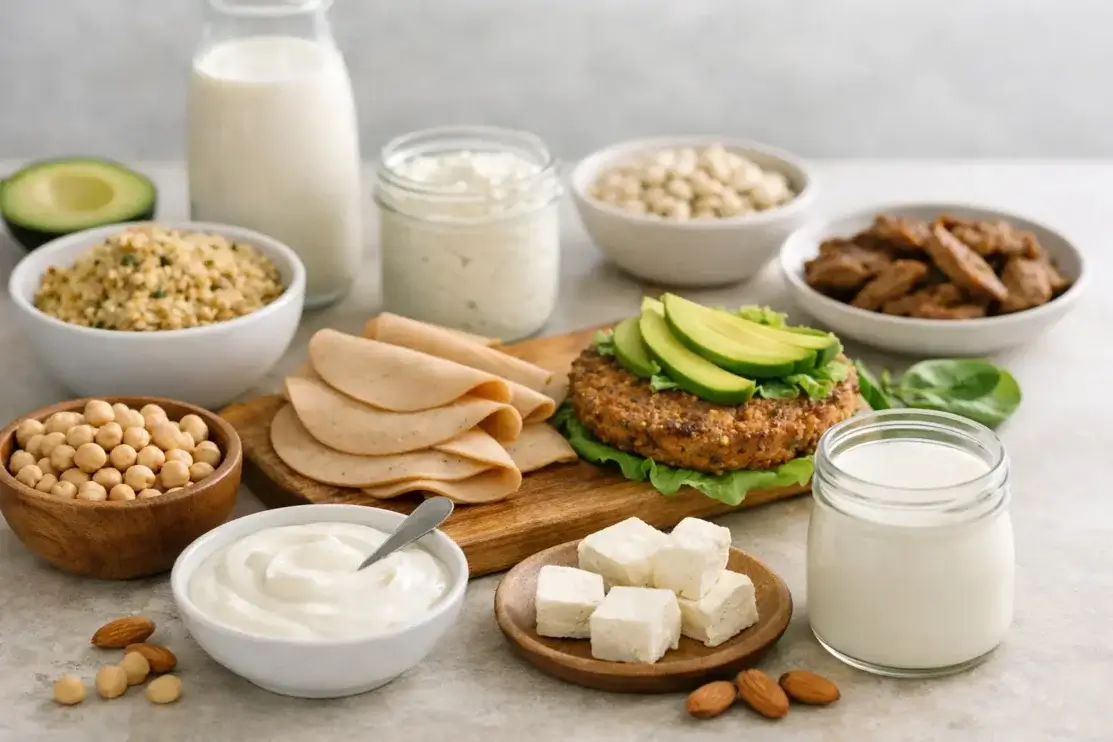
When you start avoiding soy, you notice how often it shows up where you least expect it. It is in plant milks, protein bars, salad dressings, breads, sauces, chocolate, and plenty of foods that seem wholesome at first glance. Finding soy free alternatives can feel less like a simple ingredient swap and more like learning a new way to shop, cook, and eat with confidence.
That adjustment gets easier once you stop chasing one perfect replacement for everything. Soy does many jobs in food. It adds protein, creates creaminess, helps emulsify dressings, and gives structure to packaged products. The best soy-free approach is usually not one substitute, but a handful of thoughtful options that fit the dish, your dietary needs, and the way you actually like to eat.
Why soy free alternatives matter
For some people, avoiding soy is about an allergy. For others, it is a sensitivity, a digestive issue, or simply a preference for simpler ingredient lists. In many packaged foods, soy appears as soybean oil, soy lecithin, soy protein isolate, miso, tamari, tofu, edamame, or natural flavors derived from soy. That makes ingredient transparency especially important.
There is also a quality-of-life side to this conversation. If every meal feels like a compromise, dietary changes become hard to sustain. Good soy free alternatives should do more than technically replace soy. They should help food remain comforting, flavorful, and satisfying enough that you do not feel left out at the table.
Soy free alternatives for milk, cream, and yogurt
One of the easiest places to start is dairy-free products, since soy milk has long been the default in coffee shops and grocery stores. Almond milk is a familiar option, especially for smoothies, cereal, and baking. It has a lighter body, so it works best when you do not need much richness. Oat milk is creamier and often feels more balanced in coffee or sauces, though some brands are sweeter than others.
Coconut milk and coconut cream are especially useful in Mediterranean-inspired cooking, soups, desserts, and curries because they bring body and depth. The trade-off is flavor. Coconut can leave a noticeable taste, which may be lovely in some recipes and distracting in others. Cashew milk and cashew cream are often the closest in texture to something luxurious and smooth, making them a strong choice for blended sauces and creamy soups.
For yogurt, coconut and almond-based versions are the most common soy free alternatives. Texture matters here. Some are pleasantly thick, while others can be thin or overly tangy. If you are using yogurt in sauces, marinades, or breakfast bowls, it is worth trying a few brands before settling on one. The right option depends on whether you want a neutral base or a cultured flavor with more character.
Protein swaps that do not rely on tofu
When people think about soy in plant-forward eating, tofu is usually the first thing that comes to mind. But there are plenty of soy free alternatives that provide substance and protein without losing versatility.
Lentils are one of the most dependable options. They are affordable, filling, and naturally at home in Mediterranean cooking. Red lentils soften quickly and work well in soups, patties, and spreads. Green and brown lentils hold their shape better for salads, bowls, and stuffed vegetables. Chickpeas offer a similar sense of satisfaction and can be used whole, mashed, roasted, or blended into dips and batters.
For a firmer bite, beans such as cannellini, black beans, and fava beans can stand in for tofu in grain bowls or wraps, though the texture will be different. If you want something more hearty, mushrooms are excellent. They do not replicate soy protein nutritionally, but they bring savory depth and a substantial texture that makes a meal feel complete.
Nuts and seeds also deserve more attention. Hemp seeds, pumpkin seeds, sunflower seeds, and tahini can quietly boost protein and richness in meals without making the plate feel heavy. In a well-built dish, these ingredients do more than fill a nutritional gap. They create flavor and balance.
The best soy free alternatives for sauces and condiments
This is often where people get tripped up. Soy sauce is deeply woven into marinades, dressings, and restaurant cooking, even when a dish is not obviously Asian-inspired. If you are looking for soy free alternatives here, coconut aminos is the most common choice. It has a similar salty-sweet profile and works well in dressings, sautés, and dipping sauces. It is usually less salty than soy sauce, so recipes may need a little extra seasoning.
For creamy condiments, many vegan mayos and dressings use soy oil or soy protein, but avocado-based and aquafaba-based versions are increasingly available. You can also make simple dressings at home with olive oil, lemon, garlic, tahini, and herbs. That approach is not only more soy-free friendly. It often tastes fresher and more aligned with whole, intentional eating.
In baking and desserts, soy lecithin appears in chocolate, frostings, and packaged sweets. Sunflower lecithin is one of the most practical soy free alternatives in manufactured products, and more brands are using it. Still, labels matter. If you are highly sensitive, even small ingredients deserve your attention.
Baking with soy free alternatives
Soy is not always the star ingredient in baking, but it shows up in margarine, shortening, chocolate chips, non-dairy butter, and packaged mixes. The good news is that baking usually offers several paths forward.
For moisture and richness, avocado oil, coconut oil, and high-quality olive oil can work beautifully depending on the recipe. Coconut oil adds structure in cookies and frostings, while olive oil shines in cakes, quick breads, and more rustic pastries. For creaminess, cashew cream or coconut cream can replace soy-based whipped toppings or fillings.
If you need an egg substitute in a vegan bake, flax eggs and chia eggs are dependable in muffins, cakes, and cookies. They will not mimic eggs perfectly in every recipe, especially in delicate sponge cakes, but they do provide binding and moisture. Aquafaba is another strong option when you want lift, especially in meringue-style desserts or lighter batters.
The key is to think about function. Are you replacing fat, structure, moisture, or protein? Once you know what soy was doing in a recipe, the right alternative becomes much easier to choose.
How to shop for soy free alternatives without getting overwhelmed
Reading labels gets easier with practice, but at first it can feel exhausting. A shorter ingredient list often helps, though not always. Organic, non-GMO, and allergy-conscious foods can still contain soy, so it is worth checking every time, especially with packaged breads, broths, snacks, and desserts.
It also helps to build a personal list of trusted staples. Maybe that is a favorite oat milk for coffee, a coconut yogurt that works in breakfast bowls, a sunflower butter for snacks, and a chocolate brand that uses sunflower lecithin instead of soy. Once those basics are in place, eating soy free starts to feel less restrictive and more routine.
If you dine out often, ask direct questions without apology. Does the dressing contain soy oil? Is the marinade made with soy sauce? Are the vegan desserts free from soy lecithin? Restaurants that cook with care will understand that those details matter.
Soy free alternatives work best when flavor comes first
The biggest mistake people make is focusing only on what needs to be removed. Food becomes much more joyful when the question changes from What am I missing to What can I build here instead?
A bowl with lentils, herbs, roasted vegetables, lemon, and tahini never feels like a substitute meal. A coconut-milk dessert with citrus and pistachio can feel complete on its own terms. A dressing made from olive oil, garlic, and sumac does not need soy to taste alive. At Levant Los Angeles, that idea is central to how inclusive food should work. Dietary needs should be respected without flattening flavor or comfort.
Soy free alternatives are at their best when they support the meal instead of announcing themselves. Start with whole ingredients. Learn a few dependable swaps. Give yourself room for preference, because not every alternative will suit every kitchen or every body. The goal is not perfection. It is feeling nourished, cared for, and able to enjoy food again with ease.